

62% of consumers discover restaurants via Google, and over 60% of all restaurant orders in the U.S. are now digital. It’s clear that search visibility directly drives revenue.
While most restaurants rely on social media and aggregator platforms, the biggest chains, such as Chipotle, Shake Shack, and Sweetgreen, treat search engine optimization (SEO) as a primary revenue driver, not an optional add-on.
This article takes you behind the scenes into how leading restaurants use SEO strategically to dominate local search, capture high-intent customers, and fuel massive online order growth.
Every tactic is paired with real examples so you can see exactly how it’s done.
What Is Restaurant SEO, and Why Does It Matter
Restaurant SEO is the process of optimizing your website, location pages, menu, and online presence to help customers find you on Google Search and Google Maps.

However, in 2026, SEO has evolved from focusing on rankings to influencing online orders.
Here’s why:
- Mobile-first behavior dominates: Over 60% of restaurant searches occur on mobile.
- Local intent is extremely high: Searches like “food near me,” “pizza delivery,” and “best tacos near me,” convert instantly.
- SEO influences all revenue channels: Delivery, pickup, table reservations, catering, and private dining.
- Google Maps is now the #1 discovery platform for restaurants.
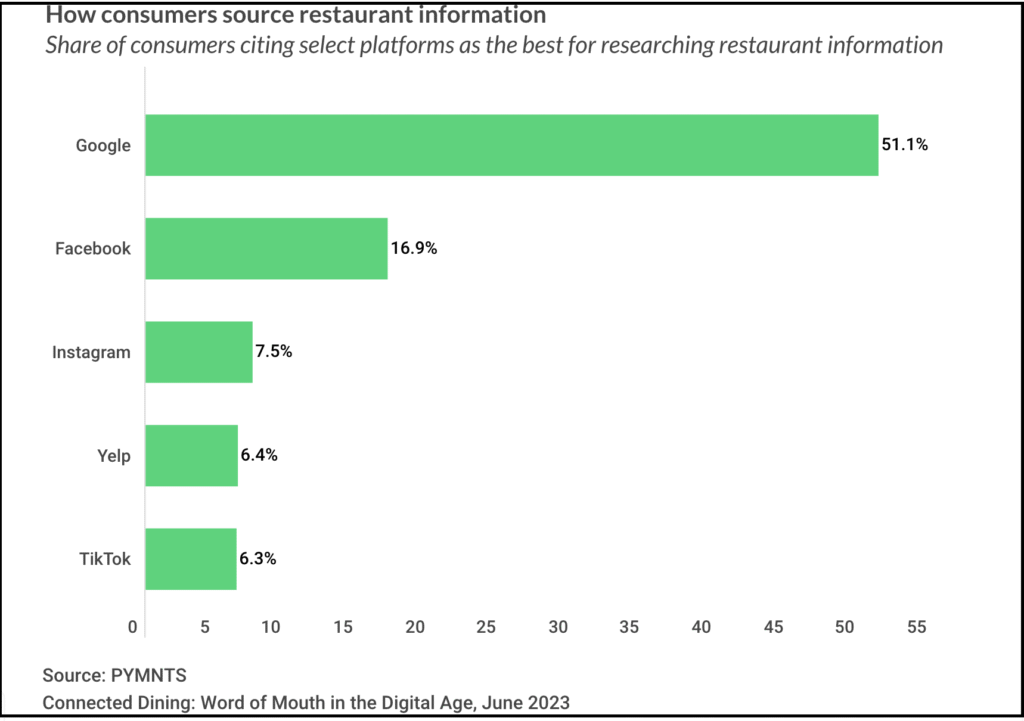
When your restaurant ranks for “near me” searches, phone calls, online orders, and foot traffic follow automatically. A strong restaurant SEO also shows up in AI-powered recommendations, “best of” lists, and conversational queries like “Where can I get tacos near me right now?”
That’s why top restaurant brands build SEO foundations that scale across hundreds of locations, menus, and services.
How Big Restaurants Use SEO to Drive 10X Online Orders (Case Studies)
Big restaurant chains use SEO strategically to dominate local search and fuel online orders. These case studies break down the tactics behind their success and how you can use them too.
1. Chipotle: how they dominate delivery-intent keywords
If there’s one restaurant brand that absolutely nailed delivery SEO, it’s Chipotle.
Chipotle is one of the largest fast-casual Mexican restaurant chains in the U.S., known for its burritos, bowls, and fresh, customizable ingredients.
They don’t wait for DoorDash or Uber Eats to send traffic. Instead, they go after it themselves.
Just search for:
- “Mexican grill”
- “Order tacos online”
- “Breakfast burritos near me”
Chipotle is everywhere, and that’s not by accident. Their SEO team has built a system that captures people who are 10 seconds away from placing an order.
These pages load fast, they’re mobile-friendly, and they push you directly into the ordering flow.
Chipotle is basically saying: “If you’re hungry right now… we want that search.”
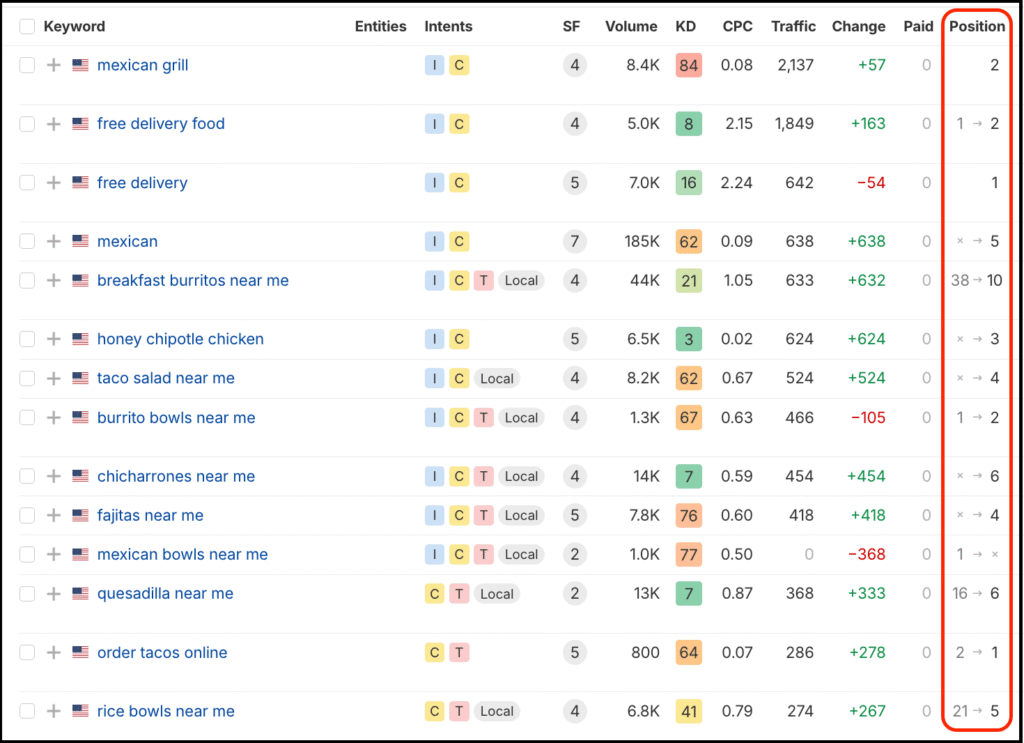
And the numbers back it up. They rank for thousands of delivery-intent keywords.
Here’s the proof: the keywords are a mix of informational and commercial queries, and the local tags show they’re winning every “near me” search that leads directly to online orders.
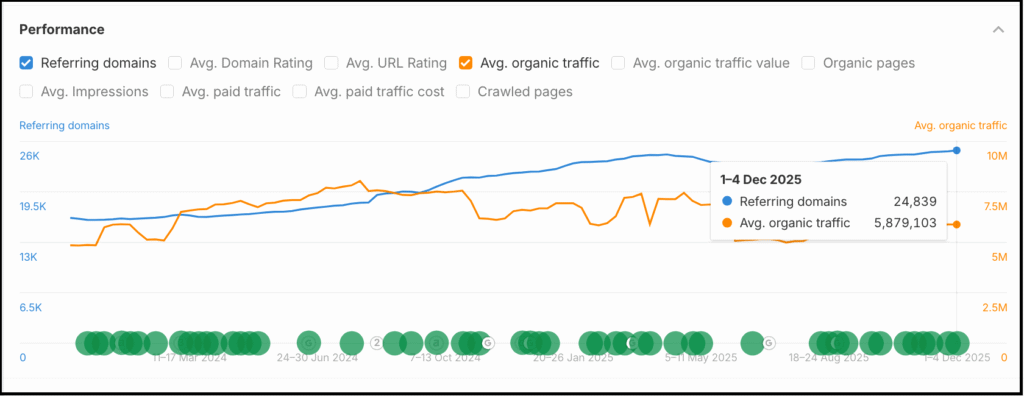
Their website attracts 5.87 million organic visits per month.
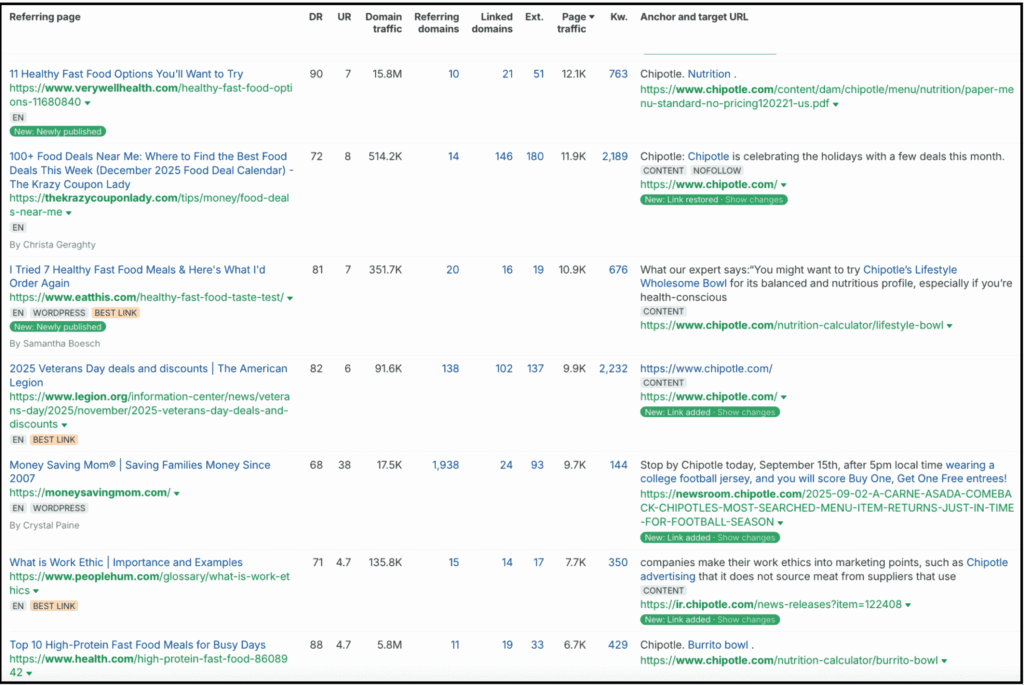
Plus, they’re constantly in the news for menu launches, protein bowls, and food deals updates — all of which stack up to massive authority gains.
Why this restaurant SEO strategy works
They found the fastest path to revenue: show up for the exact keywords people type when they want food now.
2. Shake Shack: how they win with backlink authority through food press
Shake Shack is a modern fast-casual burger chain known for its signature ShackBurgers, hand-spun shakes, crinkle-cut fries, and elevated “better burger” experience.
Unlike most restaurants trying to out-optimize competitors with keyword-heavy tactics, Shake Shack plays a very different SEO game. Their edge comes from authority, and Google responds to that instantly.
What truly sets them apart is the consistency of their press coverage. Publications like Business Insider, Delish, Travel and Tour World, and more, feature them regularly.

Every menu drop, new location opening, food review, and deal turns into earned media.
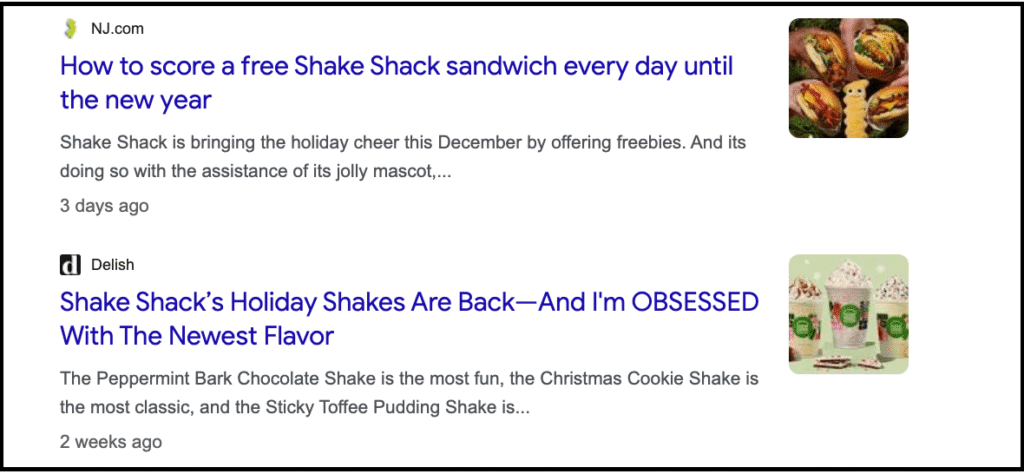
Every one of those stories gives them:
- High-authority editorial backlinks
- Strong trust signals
- Brand mentions from reputable publishers
- Local ranking strength for each outlet
These links compound over time, giving Shake Shack a backlink profile that immediately stands out in competitive local markets.
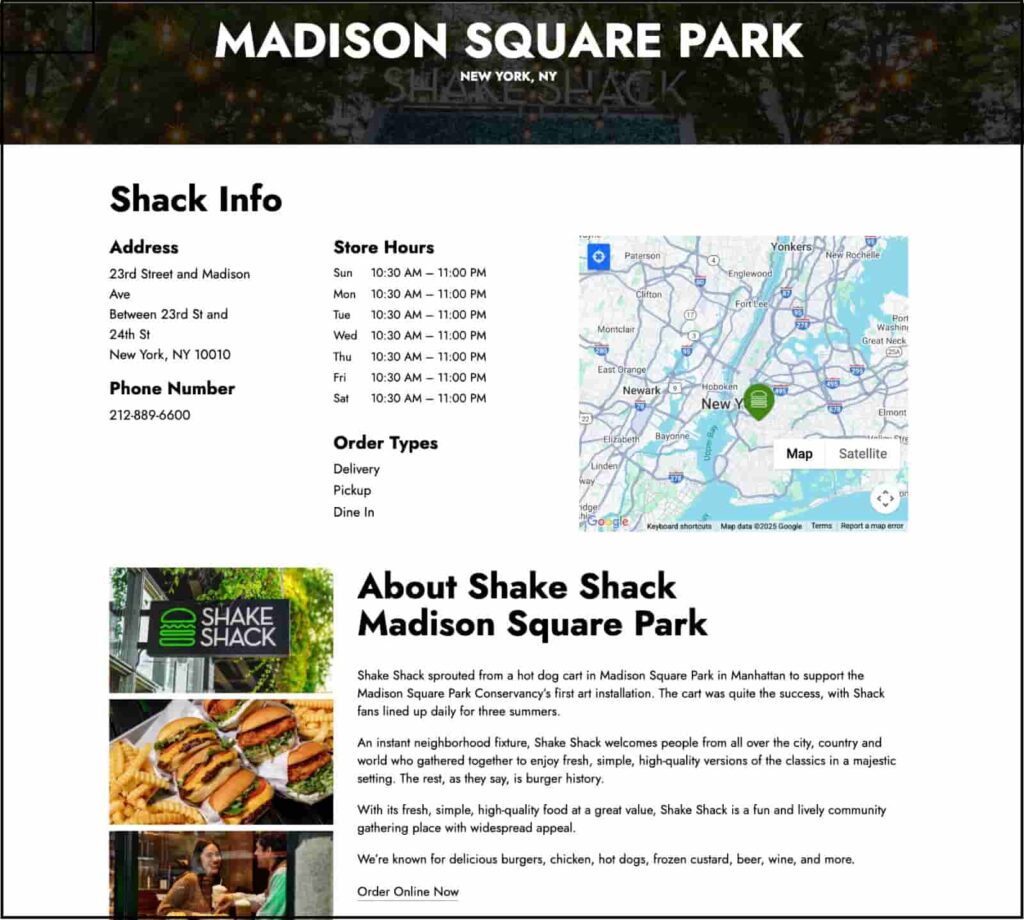
On top of this authority layer, they’ve built strong SEO foundations with fully optimized local pages for every Shack outlet.
Look at their Madison Square Park location: clear hours, address, map embed, store details, and a prominent online ordering link, all structured for maximum local visibility.
Why this restaurant SEO strategy works
Authoritative backlinks remain one of the most powerful drivers of “near me” rankings. And Shake Shack amplifies that impact by maintaining clean, optimized local pages for every location.
3. Sweetgreen: how they win with lifestyle content & community positioning
Sweetgreen is a fast-casual salad and grain-bowl chain known for its fresh ingredients, sustainability focus, and health-forward menu. It’s the kind that naturally attracts people searching for healthier, cleaner food options.
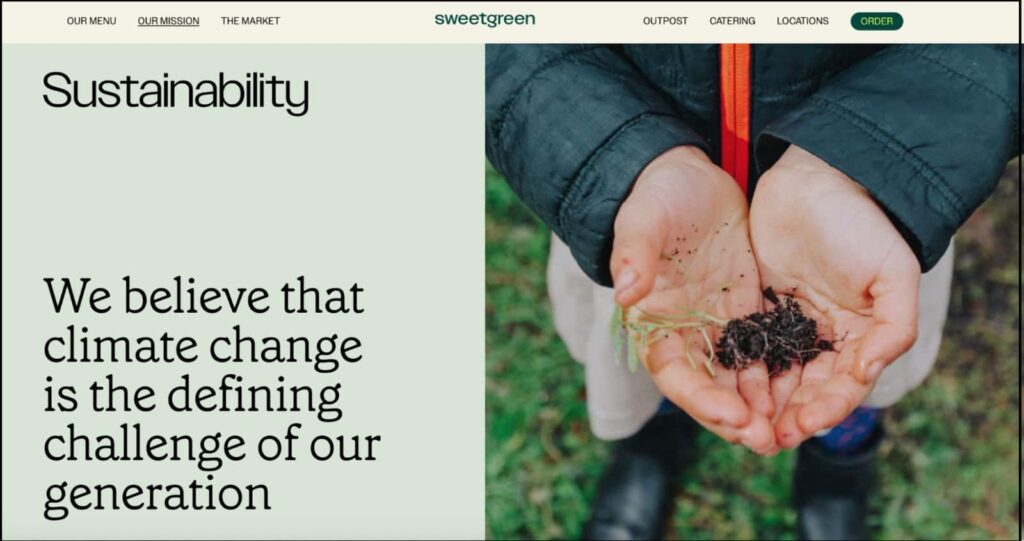
Sweetgreen dominates the “healthy eating” niche using a combination of brand storytelling and UX-focused SEO.
Major publications like Revolution, Eater, and others regularly feature them for their mission-driven approach and community impact, further boosting their brand authority with each story.
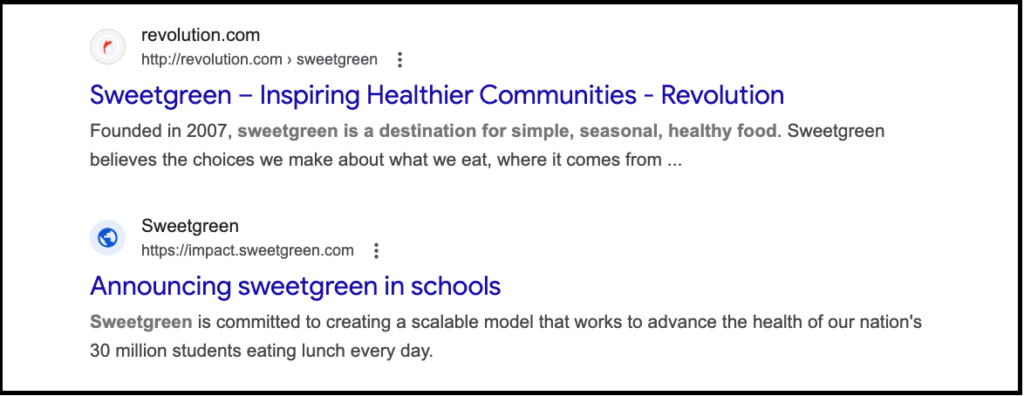
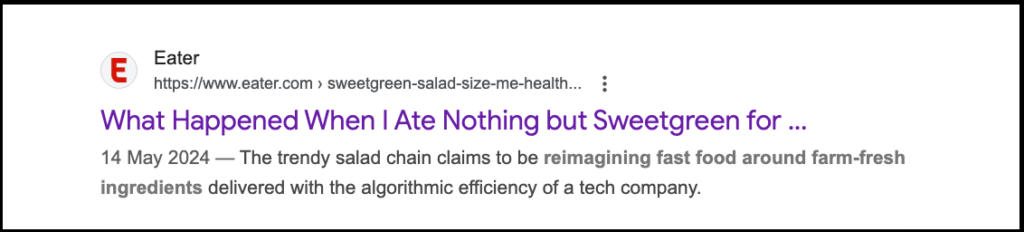
This positions Sweetgreen as more than a restaurant. It places them firmly within the health-conscious community, which directly influences their rankings.
Searches like “healthy salad near me,” “healthy bowl restaurants,” and “green restaurants” often surface Sweetgreen at the top.

On top of the content ecosystem, Sweetgreen’s website is built for modern mobile behavior. Their pages load fast, their visuals are clean, and their ordering flow is built for people making decisions quickly, especially on mobile.
It creates a tight SEO web that reinforces authority around wellness, sustainability, and healthy eating.
Why this restaurant SEO strategy works
Google rewards brands with topical depth, and Sweetgreen owns the “healthy lifestyle” space. Their content builds relevance, their mission builds trust, and their mobile-first UX turns that intent into orders.
Complete Restaurant SEO Checklist (Every Point Needed for SEO Success)
This section breaks down the exact SEO building blocks every restaurant, from a single-location cafe to a multi-city chain, needs to compete in local search.
1. Local SEO foundations
Local SEO is where most of your revenue-driving traffic comes from, especially searches with immediate intent like “restaurant near me,” “best tacos near me,” or “pizza delivery near me.”
That’s why your Google Business Profile (GBP) is the most important local asset you own. It’s the first thing customers see, often before they ever visit your website.
Here’s an example of what a well-optimized restaurant GBP looks like.
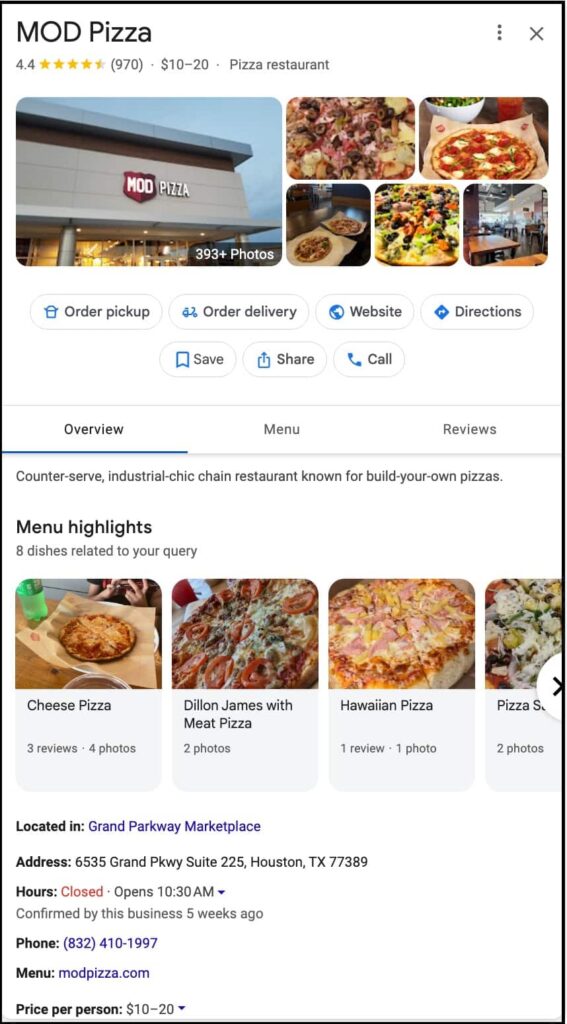
A strong GBP includes:
- Accurate hours, address, phone, and service options
- Updated menu photos, interior shots, and exterior images
- Clear “Order Online,” “Reserve,” or “Call Now” links
- Correct attributes (vegan options, outdoor seating, parking, wheelchair access, etc.)
- Strong review presence (MOD Pizza, for example, has 900+ reviews with a 4.4-star rating)
Besides, don’t stop at the “Please leave us a review” message if you want consumers to review your restaurant. The best way is to automate review requests after orders to increase the chance of getting reviewed.
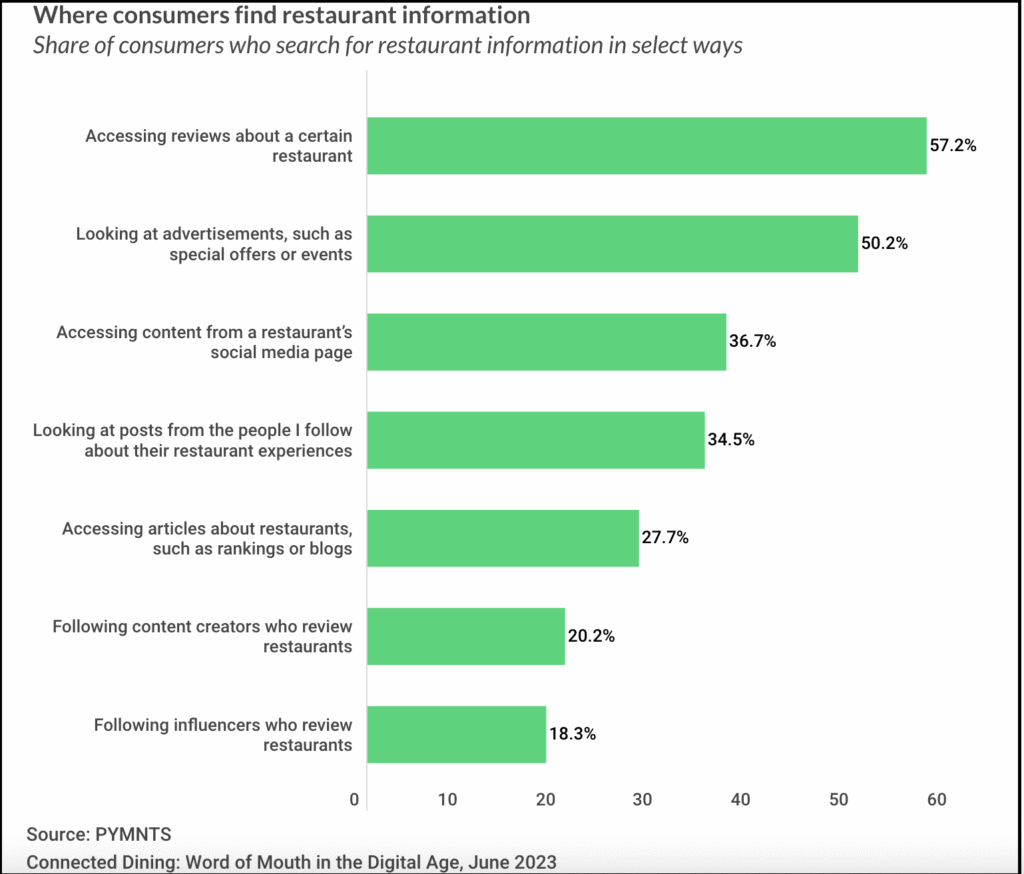
And it matters because 57.2% of diners check reviews before choosing a restaurant, making reviews one of the biggest ranking and conversion drivers in Local SEO.
2. On-page SEO for restaurants
Once your GBP is optimized, your website becomes the next major ranking lever. This is where Google learns what you serve, where you serve, and which searches you should appear for.
That’s why it’s important to optimize your website for a handful of high-intent keywords, like:
- “restaurant near me”
- “best [cuisine] near me”
- “food delivery near me”
- “healthy restaurants in [city]” (Sweetgreen wins these)
- “burrito delivery near me” (Chipotle dominates here)
Add these naturally to your homepage, menu page, and location pages.
Besides, if you have multiple outlets, each one needs its own page (just like Shake Shack does at scale).
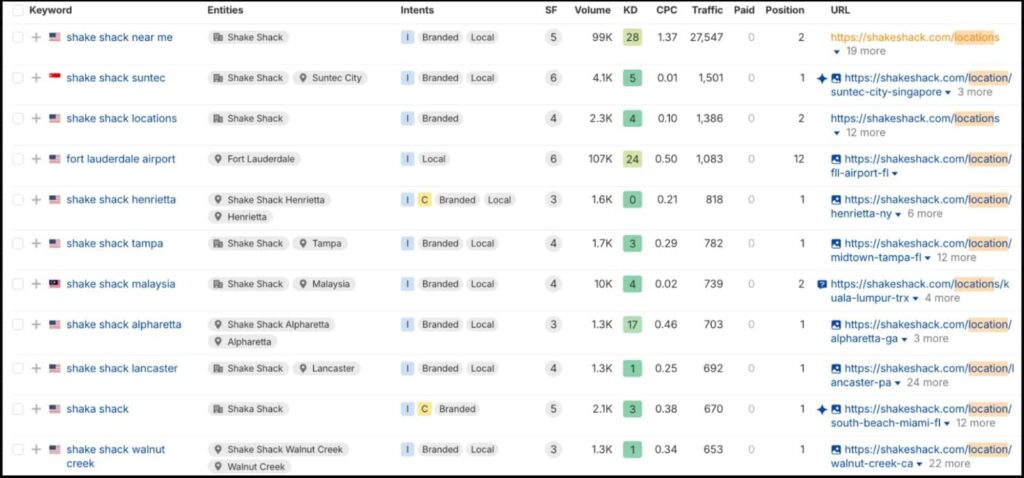
This helps you rank for neighborhood-specific searches, such as “best burgers in Madison Square Park.”
3. Technical SEO
Technical SEO isn’t glamorous, but it’s often the difference between ranking well and never showing up at all. Big chains like Sweetgreen and Chipotle excel here because they treat speed, mobile UX, and site health as revenue drivers, not backend chores.
A few things to consider:
i. Fast page speed (under 2 seconds)
Hungry customers won’t wait for a slow site. Neither will Google. Your website should load in under 2 seconds, especially on mobile.
ii. Mobile-first experience
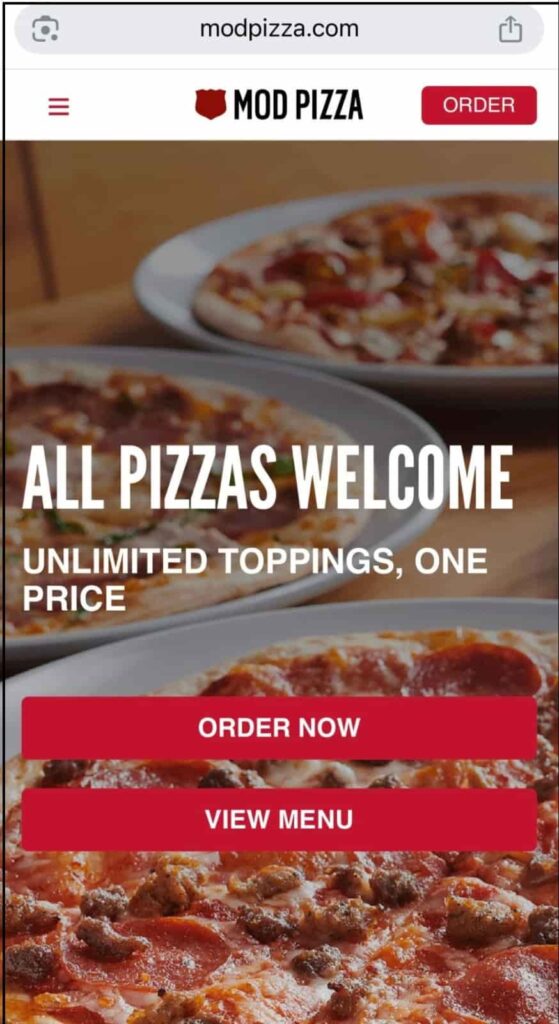
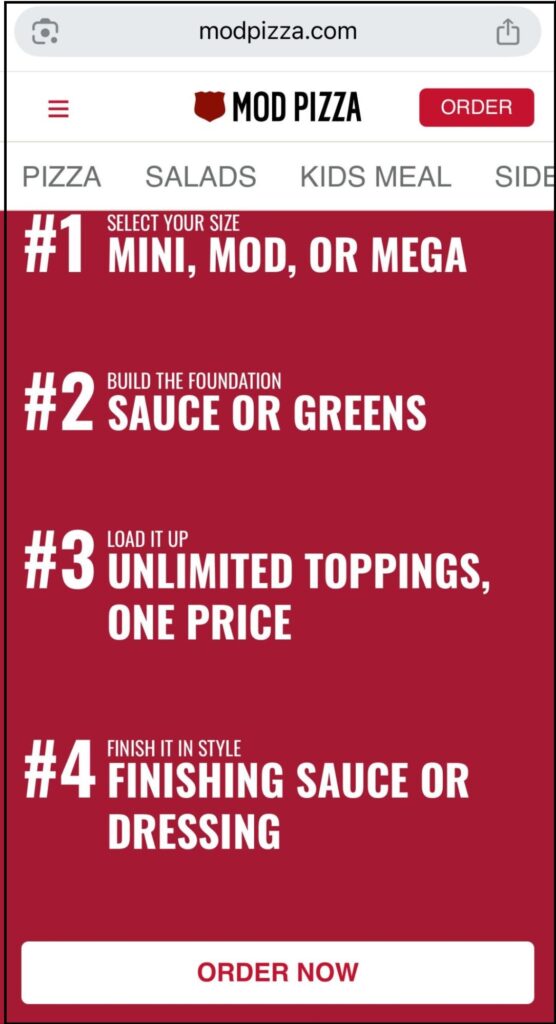
Most restaurant searches happen on mobile, and most orders too. The MOD Pizza website is well optimized for mobile. It has big, easy-to-tap buttons, simple scrolling, and clear “Order Now” and “View Menu” CTAs.
iii. Crawlable menu
Google needs to read your menu and not guess. That means:
- No PDF menus
- No images-only menus
- No hidden content
- No pages blocked from indexing
Your menu pages should be pure HTML, so search engines can understand ingredients, pricing, and sections.
iv. Schema markup (your hidden SEO advantage)
Schema helps Google understand your site instantly. For restaurants, the most valuable schemas are:
- Restaurant schema (hours, cuisine type)
- Menu schema (dish names, prices, ingredients)
- Local Business schema (location-specific info)
v. Zero technical errors
Fixing small issues can quickly improve your rankings. Make sure your site has:
- No 404 errors
- No broken images
- No redirect chains
- Optimized images
- Simple URL structure
Tools like Ahrefs Site Audit or Screaming Frog can instantly flag these.
When this foundation is solid, your menu pages, content, and location pages have a much higher chance of winning “near me” and delivery-based searches.
| Note: Google’s Search Generative Experience (SGE) and AI assistants use structured data, reviews, menus, and local signals directly. Restaurants that optimize these technical elements appear in AI-generated recommendations like “best biryani near me” even before traditional rankings. Schema, crawlable menus, strong reviews, and location pages directly influence these AI-driven results. |
4. Content marketing for restaurants
Good content attracts people before they’re ready to order, builds trust, and keeps your brand top-of-mind. You don’t need a big team to do this — just the right types of content that speak to your audience.
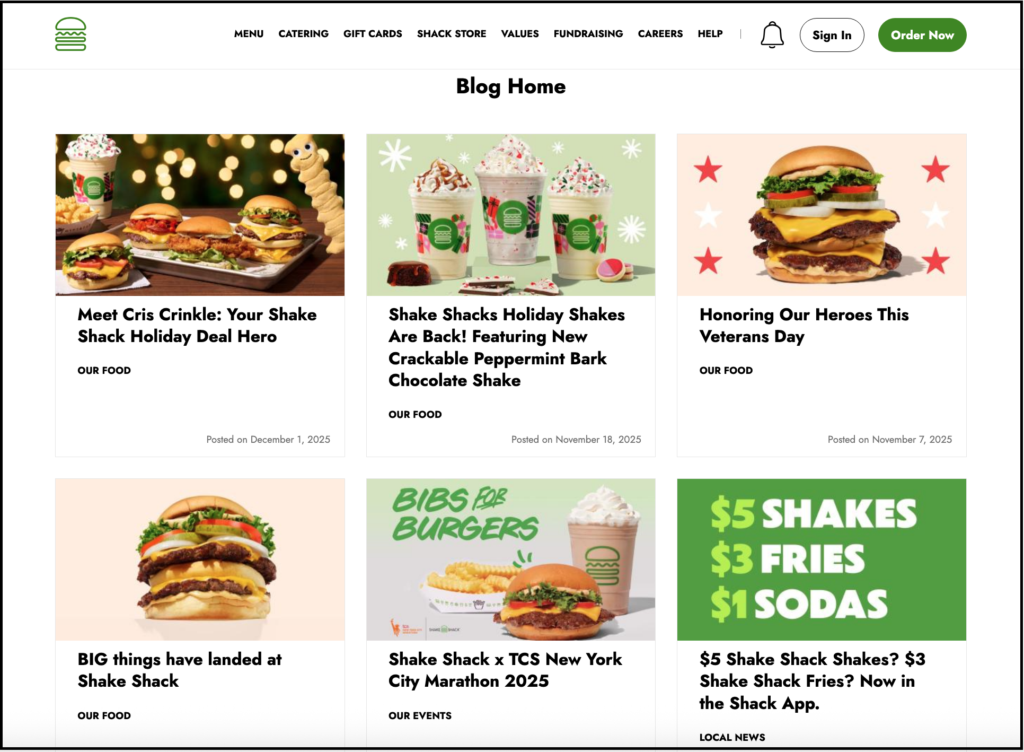
Take Shake Shack, for example. Their blog is filled with menu launches, events, partnerships, and local stories, all of which keep customers engaged and informed.
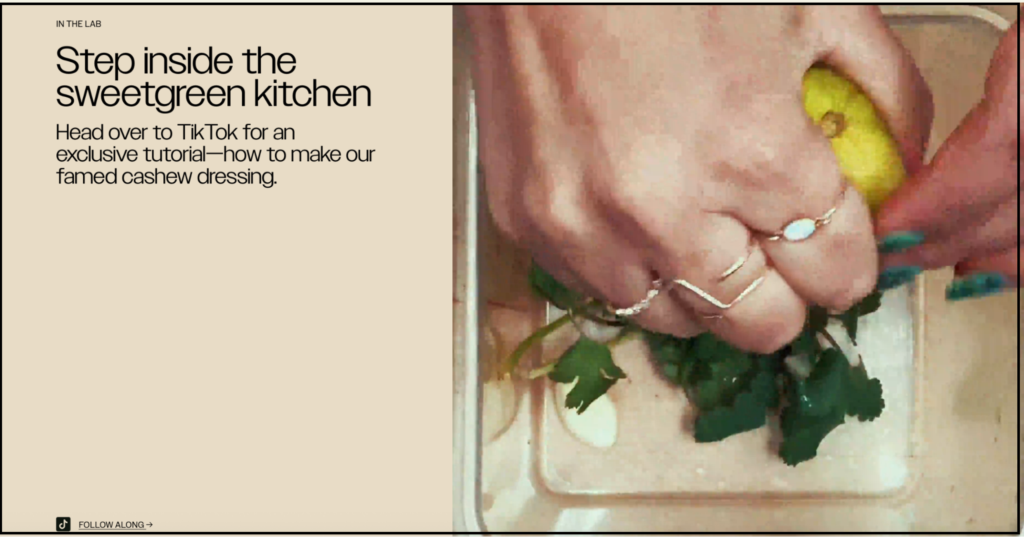
Sweetgreen approaches content through community and education. Their newsletter consistently shares new menu drops, store openings, exclusive promos, and wellness-focused content.
They even publish tutorials like how to make their famous cashew dressing — simple, evergreen pieces that drive consistent traffic over time.
All of this works because people connect with stories, especially in food. Content builds emotional affinity, reinforces your brand’s personality, and answers the questions customers already have.
Local restaurants can do the same by sharing:
- Behind-the-scenes kitchen moments
- Stories about the team
- How dishes are made
- Sourcing or local supplier highlights
- Seasonal menu updates
You don’t need to be a national chain, just consistent with storytelling.
5. Link building for restaurants (where chains win big)
Backlinks are simply votes of trust, and Google uses them to decide which restaurants deserve to rank at the top of “near me” searches.
Shake Shack, Chipotle, and Sweetgreen all win here and not because they’re big, but because they consistently earn editorial-level coverage from reputable sites.
So, how can smaller restaurants replicate the same strategy on a local scale?
A. Get featured in local food blogs
Every city has bloggers and micro-influencers reviewing restaurants. Invite them for a tasting or give them behind-the-scenes access. Most will happily write about you.
B. Get listed in “best of city” roundups
These often rank extremely well in Google and send powerful signals. Pitch yourself for lists like:
- “10 Best Cafes in [City]”
- “Best Vegan Restaurants in [City]”
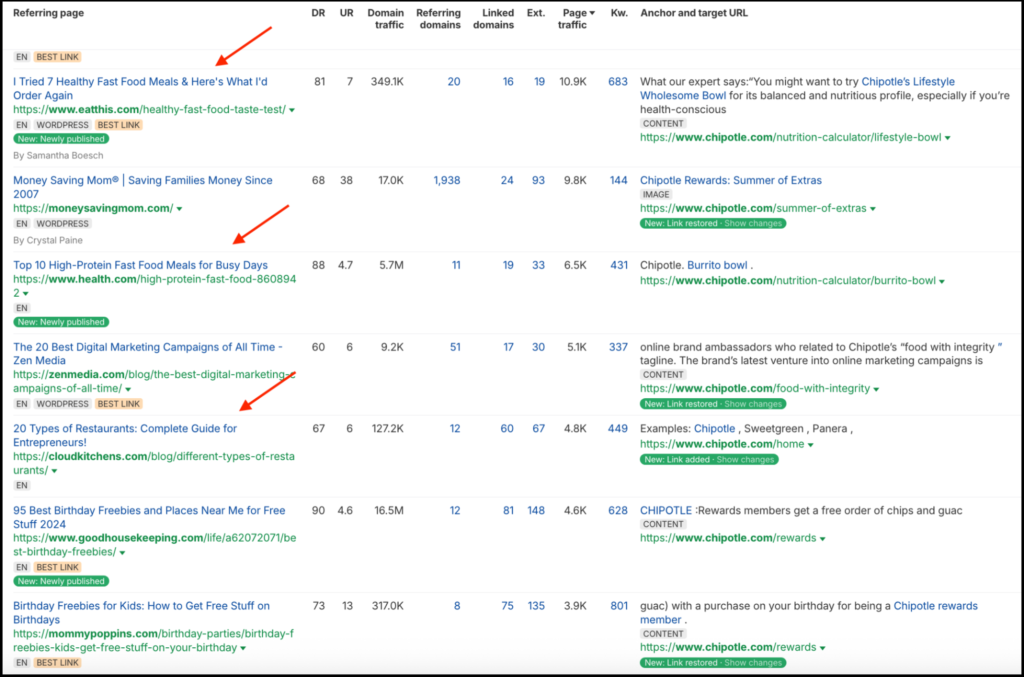
Here’s how Chipotle has gained authority backlinks on listicle articles.
C. Partner with local businesses
Pop-up events, collabs, and charity drives local coverage, which convert into backlinks.
D. Earn press by creating “news moments”
Small things that local media love talking about are new menu launches, special events, seasonal dishes, holiday pop-ups, charity partnerships, and local ingredient spotlights.
Use this to your advantage to attract editorial magazines and local news publishers and create organic press coverage.
E. Create link-worthy content
Another restaurant marketing strategy to earn backlinks is to create content that naturally attracts them from other websites. This content could include recipes, sustainability initiatives, brand stories, etc.
While there are many ways to earn free backlinks, scaling them and maintaining high quality is where most restaurants struggle. That’s where partnering with a team like Tanot Solutions can make a meaningful difference.
We help restaurants earn real, contextual, editorial backlinks from reputable sites, not low-quality placements or generic guest posts.
These are the kinds of mentions that strengthen local rankings, improve Google map visibility, and increase your chances of appearing in AI-generated restaurant recommendations. Together, these signals ultimately drive more online orders.
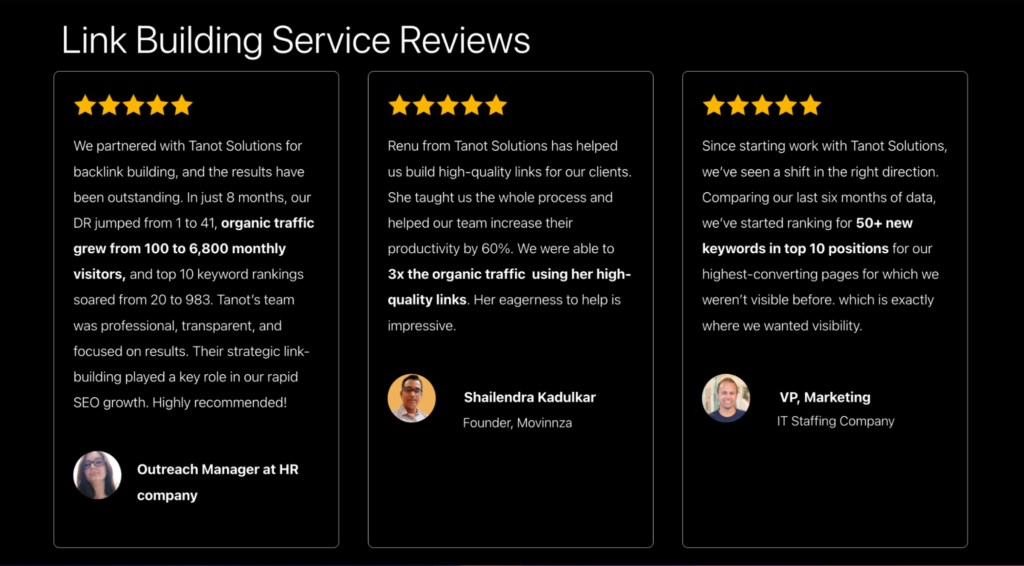
Our approach focuses on relevance, authority, and long-term ROI, not vanity metrics. Think of it as giving your restaurant the same backlink advantage big chains already use, but tailored to your brand, your city, and your cuisine.
If you’re investing in local SEO, high-quality backlinks are the multiplier.
Why Most Restaurants Fail at SEO (Even With Good Food)
You might be serving the best, premium-quality food, yet still struggle to get orders. That’s because your restaurant’s digital presence is invisible.
Customers may love your food once they walk in, but SEO determines whether they ever discover your restaurant in the first place.
Here’s where things usually break down:
1. Relying only on social media
Social media is great for engagement, but it’s not a reliable discovery channel. Posts disappear in 24 hours, but SEO works 24/7.
Many restaurants assume Instagram is enough. Meanwhile, the top-ranking restaurants collect steady traffic from “near me” searches every single day.
2. Weak or unoptimized Google Business Profile
This can’t be emphasized enough. Missing hours, outdated photos, wrong phone numbers, and no menu upload — these small issues directly hurt rankings.
Big chains update GBP daily; smaller restaurants may update it once every six months.
3. Zero backlinks (no trust signals)
You can’t rank in competitive categories like “pizza near me,” “sushi near me,” “best burgers in [city]” without authority.
Most restaurants have no editorial backlinks at all. Meanwhile, big chains are mentioned in food blogs, local news, lifestyle sites, and these compounds over time.
4. Using PDF menus
This is one of the most common SEO killers. PDFs are:
- hard to read
- not mobile-friendly
- not crawlable
- ignored by Google
So even if your food is amazing, your menu never ranks.
5. Inconsistent location pages
For multi-outlet restaurants, this is the biggest issue. Most have:
- one generic page listing all locations
- no separate pages for each outlet
- no local signals (neighborhood, landmarks, parking details)
Google wants dedicated, optimized location pages. Without them, you won’t rank locally.
6. Slow websites & poor mobile experience
If your website takes longer than 2–3 seconds to load, users bounce and Google notices. Most restaurant sites are slow and cluttered, have complex ordering processes, and filled with giant image files.
If you look at MOD Pizza’s mobile website menu, it’s fully clickable, with neatly organized menu items and easy-to-access ordering links.
7. No review strategy
Restaurants often don’t ask for reviews, don’t reply, and don’t manage Q&A. Yet reviews are one of the strongest drivers of Google rankings, customer trust, and order conversions.
You can have incredible food. But if you have 17 reviews while the competitor has 600, customers will choose the competitor.
Final Thoughts: Where Tanot Solutions Helps Restaurants Grow
Top restaurant brands use SEO to scale visibility, dominate local search, and consistently drive online orders. Smaller restaurants can do the same with a structured approach, i.e., strong local pages, fast mobile experiences, meaningful content, and high-quality backlinks.
But earning trustworthy, editorial-level backlinks and building long-term authority takes time, consistency, and the right relationships. Tanot Solutions can help.
We focus on helping restaurants strengthen their search visibility through:
- Strategic, Google-compliant link building
- Editorial placements on reputable, high-authority sites
- Transparent processes where every link is pre-approved
- Local SEO support to improve map-pack and neighborhood rankings
- Backlinks that meaningfully improve discovery and online orders
If you’re looking to make organic search a reliable, long-term revenue channel, Tanot Solutions would be happy to help you explore what that could look like for your restaurant.
Frequently Asked Questions (FAQs)
How can I make my restaurant easy to find on Google Maps?
To be easily discoverable on Google Maps, start by fully optimizing your Google Business Profile. Include accurate details such as your restaurant’s address, operating hours, phone numbers, and menus, along with high-quality photos of your interior, exterior, and dishes. Add clear links for online orders or reservations, and update posts about specials, events, or new menu items regularly. Encouraging customers to leave reviews and responding to them shows engagement and builds credibility, which improves visibility. Highlighting features like outdoor seating, parking, or vegan options also helps Google match your restaurant to relevant local searches, increasing the chances that hungry customers find you quickly.
What are the most important pages my restaurant website should have?
Your restaurant website should include key pages that guide visitors from discovery to ordering. A homepage should clearly present your cuisine, specialties, and ordering options. Menu pages should include detailed descriptions, pricing, and dietary information. If you have multiple locations, each should have a dedicated page with address, hours, and ordering links. A contact page is essential for inquiries or reservations. Ensuring these pages load quickly, are mobile-friendly, and have clear calls-to-action for ordering or booking a table makes it easier for customers to convert, improving both traffic and revenue.
How can I attract more online orders without relying on delivery platforms?
Restaurants can drive more online orders directly through their own website by optimizing for high-intent search queries like “delivery near me” or “takeout near me.” Prominent and easy-to-click order buttons, clear menu descriptions, and fast mobile checkout are crucial. Highlighting specials, combo meals, or limited-time offers can motivate customers to order immediately. By making the ordering process simple and user-friendly, restaurants reduce reliance on third-party delivery apps, increase profit margins, and build direct relationships with their customers.
How do customer reviews affect my restaurant’s visibility and sales?
Customer reviews influence both search visibility and customer trust. Restaurants with more positive reviews are more likely to rank higher in local searches and attract new diners. Engaging with reviews by thanking customers or addressing complaints demonstrates that you care about the dining experience, which builds credibility. Automating review requests after online orders or reservations ensures a consistent flow of feedback. Strong reviews not only improve rankings but also encourage repeat business, making them a critical component of your overall online strategy.
What small improvements can make a big difference for my website?
Even minor website improvements can significantly impact both search rankings and customer experience. Ensuring that pages load quickly, especially on mobile devices, reduces bounce rates and keeps customers engaged. Navigation should be simple, with clearly labeled buttons for ordering or viewing menus. Menu pages should be in HTML rather than PDFs or images so Google can read them. Adding structured data, such as restaurant and menu schema, allows search engines to display important information like hours, location, and dishes directly in search results. These small technical upgrades make your website more accessible and effective for driving orders.
How can I get local media or blogs to feature my restaurant?
Local media coverage can significantly boost your restaurant’s visibility and credibility. Focus on creating newsworthy events, such as launching new menu items, seasonal dishes, or hosting special events and collaborations with other local businesses. Highlighting sustainability efforts, community initiatives, or unique ingredients can also make compelling stories. Invite local food bloggers for tastings or pitch your restaurant to “best of” city lists. Features in reputable publications or blogs can attract new customers, enhance your brand reputation, and even help your website gain valuable backlinks that improve search visibility.
What mistakes should I avoid if I want more online orders?
Even the best restaurants can lose potential orders if their online presence is weak. Common mistakes include relying solely on social media for discovery, using menus that are PDFs or image-only files, ignoring mobile optimization, neglecting reviews, or having generic location pages for multiple outlets. Slow website load times, complicated navigation, or poor ordering flows can also drive customers away. Fixing these issues ensures your restaurant is visible in local search results, provides a smooth experience for customers, and increases the likelihood of converting website visitors into online orders.