
Is SEO dead? Many website owners and marketers are now questioning whether search engine optimization is ineffective in today’s AI-driven search landscape. Google’s AI-powered SGE results and recent Search API data leaks show that traditional SEO tactics are becoming outdated. Practices like keyword stuffing and link spamming are no longer effective, they can actually hurt your organic search rankings. If you’re wondering whether backlinks still matter, read our guide on are backlinks dead.
But does this mean SEO is dead? Not quite. It’s evolving just like Google’s search algorithms.
Welcome to SEO 2026. The game has changed, and to conquer organic search results, you need to adapt your SEO strategies and focus on what truly drives visibility. If you’re unsure why SEO still matters for growth, here’s a detailed guide on why your business needs SEO.
To succeed in 2026, focus on high-quality content, user intent, authoritative backlinks, and AI-powered tools that improve search performance.
In this article, we’ll explore why old SEO is fading and how you can stay ahead with modern strategies built for AI-powered search.
Why Some Marketers Think SEO Is Dead in 2026
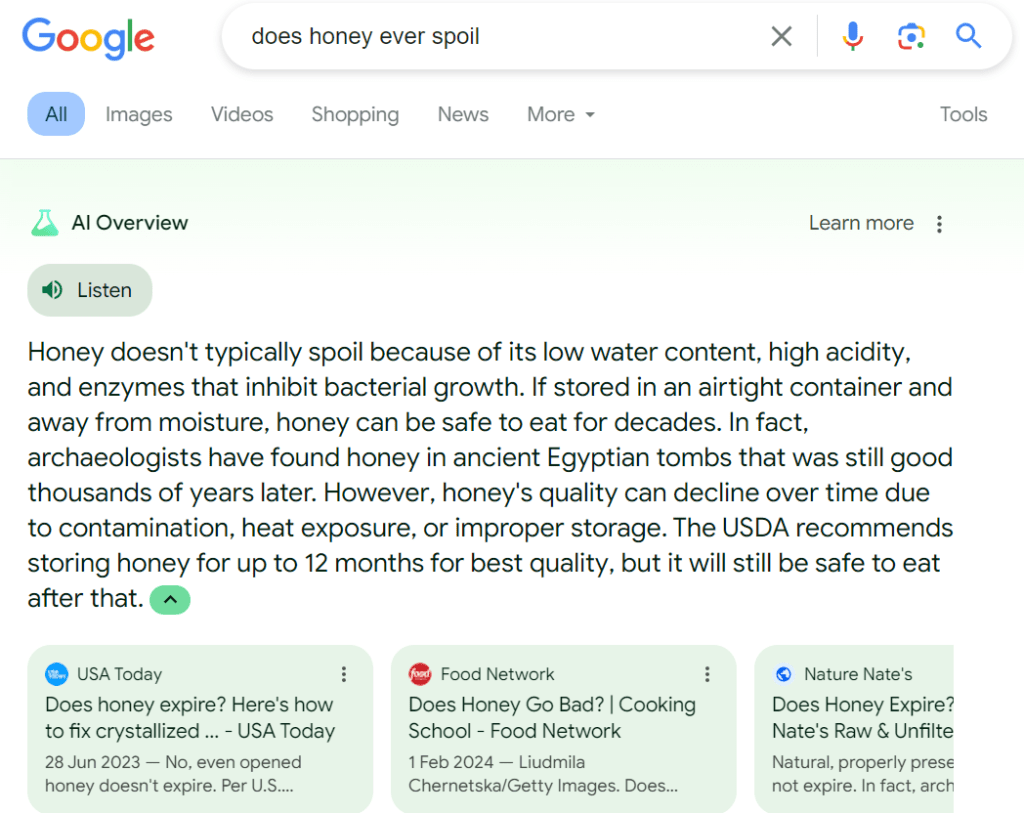
In 2023, Google started using generative AI to provide answers to user queries in an experiment called Search Generative Experience (SGE). When a user searches for something on Google, they can now get a complete answer to their queries provided by AI.
This means many users now get answers directly from Google without clicking on websites ranking on the SERPs. As a result, many marketers believe SEO is dead or that organic SEO no longer drives traffic.
Here’s an example of an AI-generated answer to a Google search query:
Another reason people question whether search engine optimization is ineffective is the recent Google data leak, which revealed thousands of ranking signals, including click data and user behavior metrics. This made many marketers rethink how rankings actually work. For a deeper understanding of ranking factors and trends, check out our latest SEO statistics guide.
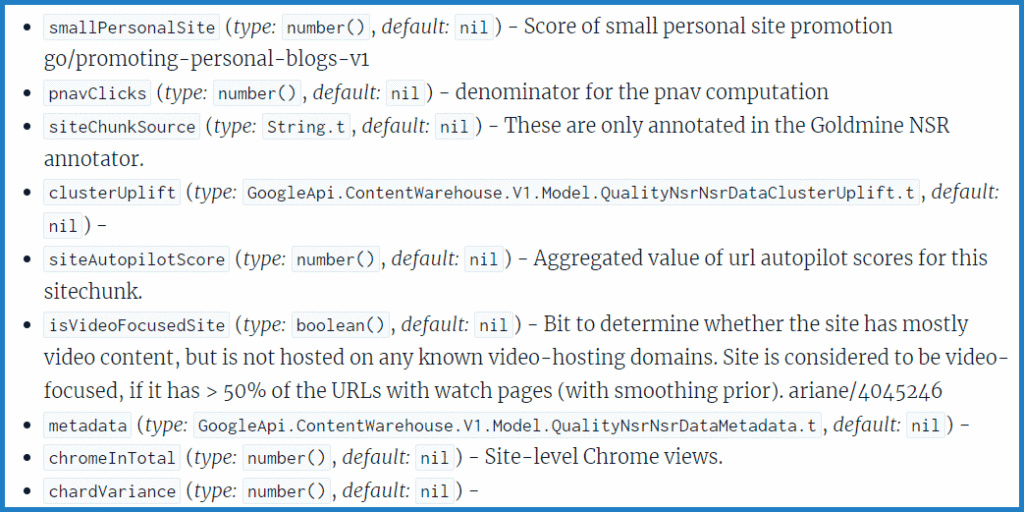
While some believe these insights make rankings easier to manipulate, the reality is that Google continues refining its algorithms to reward quality, relevance, and user experience over shortcuts.
However, SEO is certainly not dead. You just need to let go of the practices that no longer affect organic search rankings. Let’s discuss what these are.

SEO Practices That No Longer Work in 2026
While SEO remains relevant, at least for the foreseeable future, there are some tactics you should stop using today. Let’s discuss these briefly.
1. Keyword stuffing
This outdated SEO practice involves over-optimization or excessively adding keywords into blog posts and web pages to manipulate rankings. While it once worked, modern search algorithms now penalize keyword stuffing and reward content written for real users.
Here’s an example:
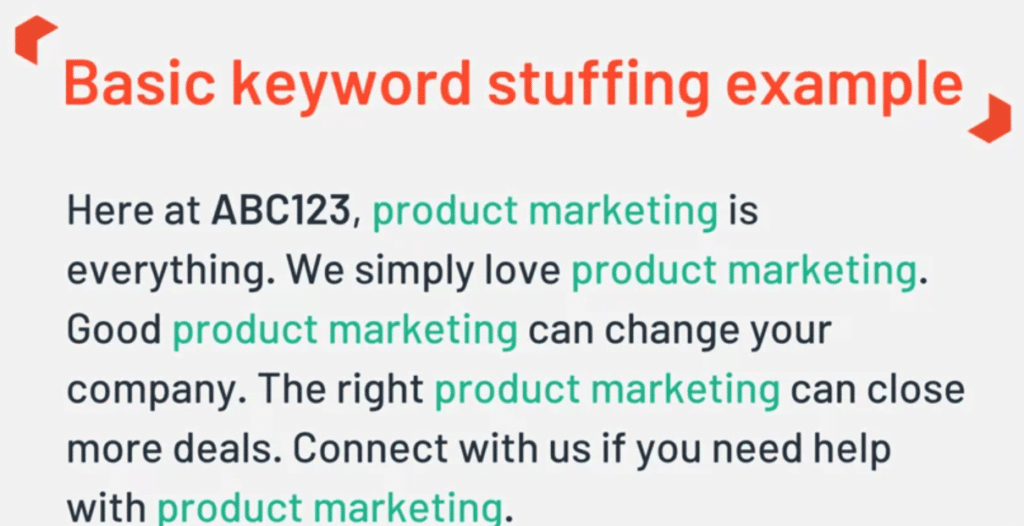
Search algorithms have considerably evolved since then, and this is considered a spammy practice, so it does more harm than good to your rankings and search traffic.
2. Focusing on search engine ranking algorithms, not users
Any SEO tactics that manipulate search rankings are discouraged in today’s SEO landscape, where user experience is the top priority.
Creating content only for search engines without helping real users is no longer effective. Publishing frequent, low-quality content may increase page count, but it does not improve organic rankings or engagement.
Such content will not help you rank or drive organic traffic. Only unique content that provides accurate information to searchers can help you rank.
3. Prioritizing quantity over quality of backlinks
Though backlinks are still an important ranking factor, the focus has shifted from quantity to the quality of links. Search engine algorithms now penalize unethical link building practices such as link farming that focus only on quantity instead of authority and relevance. If you’re unfamiliar with this tactic, read our detailed guide on link farming.
The only sustainable way to build links is by focusing on the quality, relevance, and strength of your link profile rather than chasing numbers. Learn more about what makes a strong link profile.
You can see how strategic link building works in real scenarios in our best SEO case studies.
3 Core SEO Strategies That Still Work in 2026
Though the SEO landscape is dynamic and continuously evolving, its core elements remain constant. Here, we’ll discuss the search engine optimization practices that remain relevant to date:
1. Technical SEO
Optimizing technical elements like page speed, mobile responsiveness, crawlability, and website structure directly improves user experience and search visibility.
As Google prioritizes user experience signals, technical SEO has become more important than ever. Monitoring performance using reliable backlink monitoring tools and site audits can help you identify and fix technical issues early.
Here are some key elements of technical SEO you should consider for your optimization efforts:
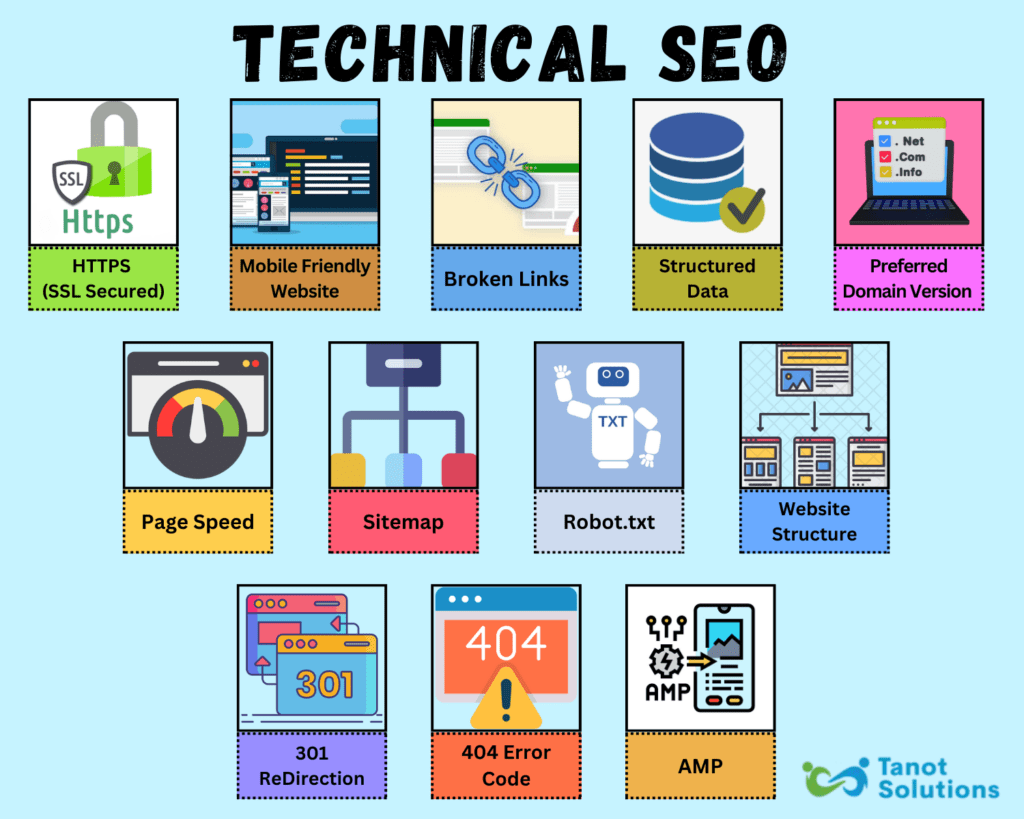
Certain plugins and tools can help you monitor your technical SEO performance and dig deeper into how to improve it. These include the Rank Math WordPress plugin and Semrush’s site audit tool.
2. High-quality content
High-quality, user-focused content remains the foundation of effective search engine optimization, especially in an AI-driven search environment. No matter how you attract people to your website, helpful and relevant content is the only thing that will make them stay and engage with your website.
3. Backlinks
Building backlinks is the most important part of off-page SEO and remains an important SERP ranking factor. It offers multiple advantages.
When a trusted and authoritative website links to yours, they signal to search engines that they trust your website and find your content link-worthy. This helps build your site’s trust and authority, especially with search engines.
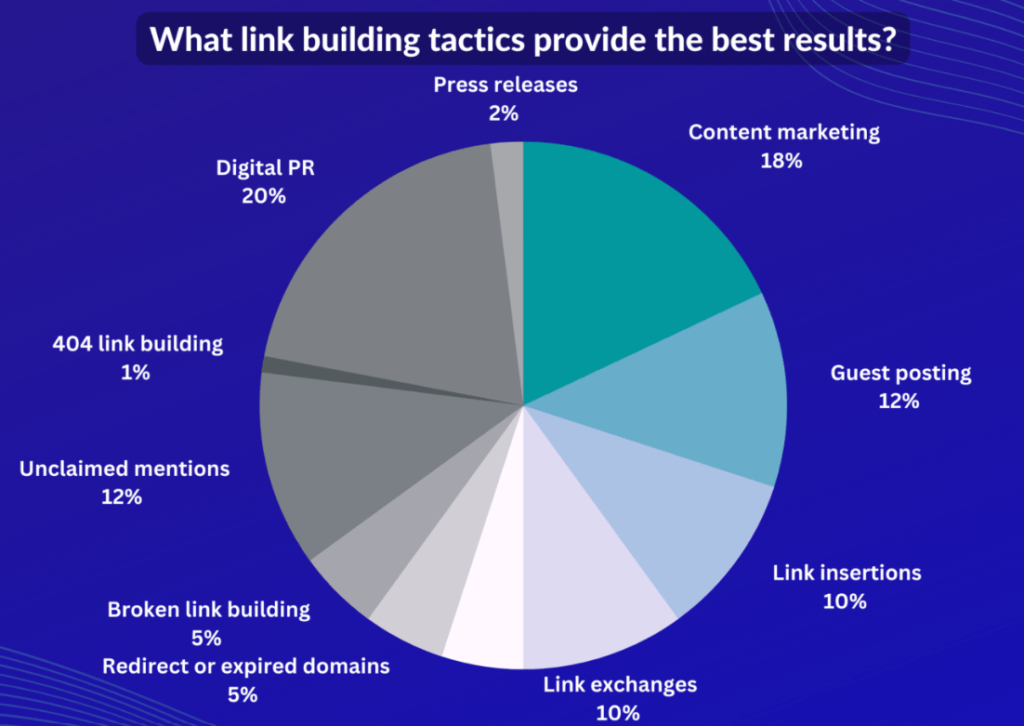
So, keep building relevant links through contextual link building, niche edits, guest posting, and industry partnerships that add real value. According to recent industry data and keyword tracking insights, these are the link building tactics driving the best results in organic rankings.
3 SEO Trends Transforming Search in 2026
It’s time to discuss the most important part — the SEO trends reshaping the SEO landscape and how to use them to your advantage.
1. The rise of video search results
Videos have become extremely popular in recent years as they are informative and engaging. That’s probably why 91% of businesses use videos for digital marketing.
This rise in the popularity of videos has also affected the SEO landscape as search engines prioritize video content and often show them at the top of their results pages for many search queries.
Google’s Search even has a separate section for videos, ranking the top videos for a keyword, as shown below.
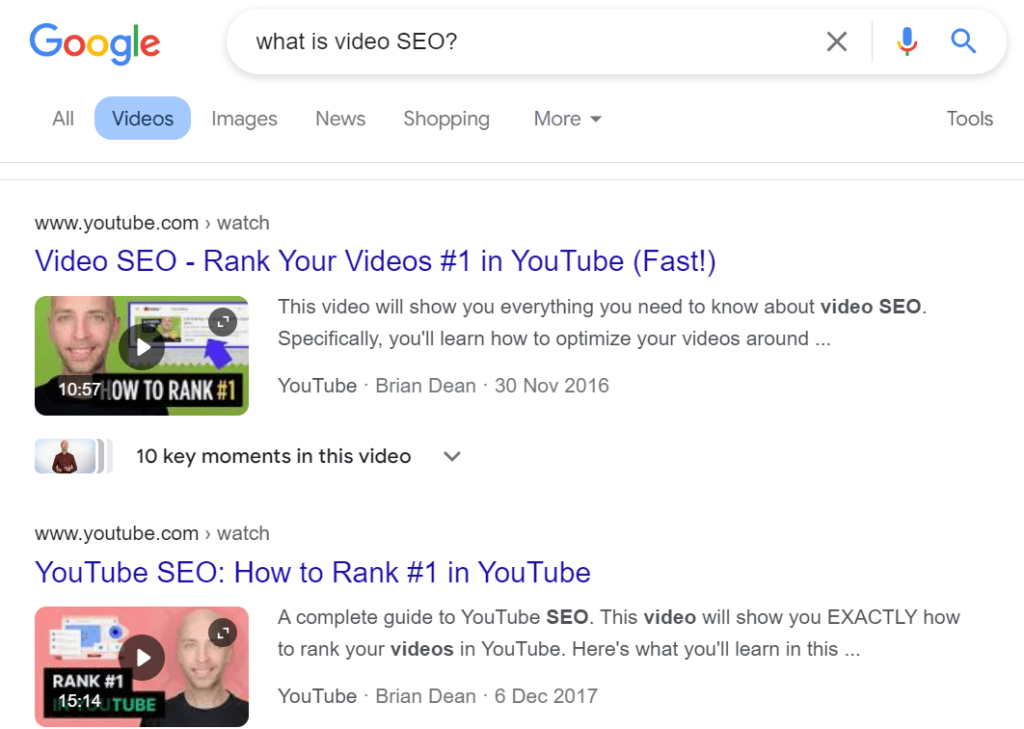
What does this mean for you? Start creating video content if you’re not already doing so and optimize it properly for search visibility. Strong SEO strategies today include multimedia optimization along with content and backlinks. If you want to see how SEO adapts across industries, check out our SaaS SEO guide.
Here are some tips to optimize your videos for Google and other search engines:
- Add your target keyword in video titles, subtitles, and descriptions.
- Enrich your video descriptions with contextual or related keywords.
- Use hashtags on platforms that support them to reach a wider audience.
- Create optimized metadata for your videos in the same way you do for other quality content.
You don’t necessarily have to post videos on your website to benefit from video SEO. You can just upload them to popular video platforms like YouTube.
2. Inclusion of first-hand experiences in content
As you probably know, generative AI tools are taking over the average content creation market. Many marketers now use AI tools like ChatGPT to produce content faster, but without first-hand experience and expertise, that content often lacks credibility. This means the internet is flooded with AI-written content.
While AI can help you post more content, most AI content’s quality is not as good as human-written content.
One sure way to make your content stand out is by sharing first-hand experiences. Writing in the first person and talking from your personal experiences can help differentiate your content from impersonal AI-generated content.
Google’s latest E-E-A-T guidelines also emphasize the importance of sharing first-hand experiences.
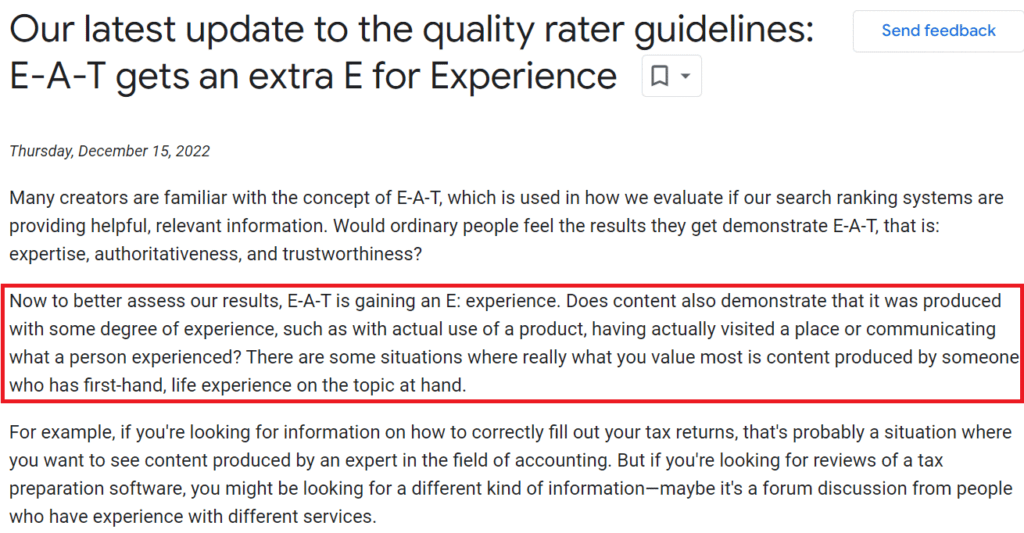
So, create content that shows your expertise and indicates you’re experienced to give advice and tips about the topic. If you’re reviewing a product, mention how you used it. If you’re offering tips to others users, show how following those tips helped you succeed.
Personal first-hand experiences and real-world insights improve credibility, align with Google’s E-E-A-T principles, and strengthen long-term organic SEO performance. This will also help search engines distinguish your content from the generic AI content.
3. Answer engine optimization
One of the most significant changes in the SEO landscape is the way people search for queries. They don’t necessarily need to type search queries on Google when chatbots and voice assistants are there to help.
People can simply ask questions and the smart bots or devices will provide the answers.
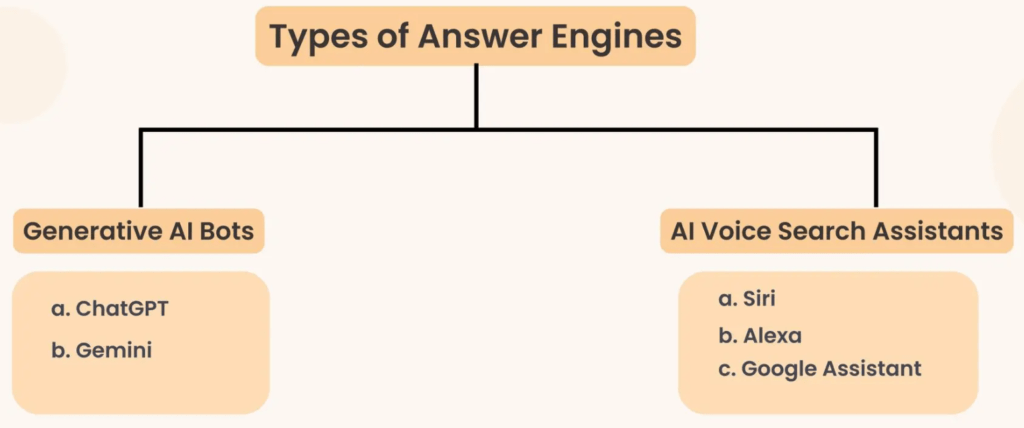
You can optimize your content for generative AI bots like ChatGPT and AI voice search assistants like Siri and Alexa through answer engine optimization (AEO).
To succeed with answer engine optimization (AEO), you need to target long-tail, question-based keywords that match how users naturally ask queries through voice search and AI assistants.
Marketers have already been valuing long-tail keywords in the last few years, but now question keywords will be the top priority. So, ensure you incorporate these in your content to keep your SEO strategy relevant to current statistics and trends.
Final Verdict: Is SEO Still Worth It in 2026?
The buzz around SEO being dead has been going on for a while. Hopefully, this guide has put your confusion to rest and clarified that SEO is here to stay.
If anything, SEO is evolving and you must adapt your strategies to keep ranking high in the SERPs for relevant queries. Use this guide on SEO 2026 success as your pivot. We’ve covered what to stop doing, what to continue, and what new tactics to leverage.
If you want experts to manage campaigns like high-quality link acquisition and authority building, explore our professional link building services or consider whether you should outsource link building to specialists.
Let’s take your SEO game to the next level!
Frequently Asked Questions (FAQs)
If AI gives answers directly in Google, how can my website still get traffic?
AI usually provides short summaries or basic information, but users still visit websites when they need deeper details, examples, pricing information, comparisons, or expert opinions. To continue getting traffic, your content should go beyond simple answers and provide real value. This includes detailed guides, step-by-step explanations, real case examples, and insights based on experience. When your content offers something AI summaries cannot fully replace, users are more likely to click through to your website.
How long does SEO take to show results in 2026?
SEO is a long-term strategy and does not deliver instant results. In most cases, small improvements can be seen within three to four months, while stronger growth usually takes six to twelve months. The time frame depends on your industry competition, your website’s current authority, technical performance, content quality, and backlink profile. New websites typically take longer, while established sites may see faster progress. Consistency plays a major role in long-term success.
Should small businesses still invest in SEO, or focus only on paid ads?
Small businesses should not depend only on paid ads because traffic stops as soon as the ad budget ends. SEO helps build steady visibility over time and can reduce long-term marketing costs. A balanced approach works best, where paid ads are used for quick results and SEO is used for sustainable growth. By building content that answers customer questions and targeting specific keywords, small businesses can attract qualified leads without paying for every click.
How can I tell if my current SEO strategy is outdated?
Your SEO strategy may be outdated if you focus mainly on keyword repetition, publish content without real usefulness, buy large numbers of low-quality backlinks, or see consistent drops in traffic and rankings. Modern SEO requires understanding user intent, improving website experience, building relevant authority, and creating content that genuinely solves problems. If your strategy feels mechanical instead of user-focused, it may need updating.
What skills matter most for SEO in 2026?
SEO today requires more than just knowing how to place keywords. It involves understanding what users are searching for, writing clear and helpful content, improving technical website performance, analyzing data, and building strong, relevant backlinks. It also requires adapting to AI-driven search changes and evolving search behavior. Strategic thinking and continuous learning are becoming more important than simple optimization tricks.
Is blogging still effective for SEO?
Blogging still works when done with purpose. Random articles or surface-level content no longer perform well. Effective blogging focuses on solving specific problems, answering detailed questions, and building authority within a topic. Updating older posts, improving structure, and targeting long-tail search queries can also improve results. When blogs are written with real value and clarity, they continue to drive organic traffic.
What is the biggest mistake businesses make when they believe SEO is dead?
The biggest mistake is giving up too early or chasing shortcuts instead of building a strong foundation. Some businesses expect fast results and stop investing when rankings do not improve quickly. Others rely on outdated tactics instead of focusing on quality and consistency. SEO rewards patience and strategic effort. Businesses that continue improving their content, authority, and website experience are more likely to see stable long-term growth.