
Search engine optimization statistics help businesses understand how Google rankings, SERP behavior, backlinks, AI search, mobile traffic, and local search trends are evolving.
In this updated guide, we break down 11 essential SEO statistics for 2026 covering zero-click searches, backlink performance, click-through rate (CTR) trends, keyword behavior, ecommerce search data, mobile SEO, and AI-driven search results.
Whether you’re a marketer, founder, or SEO professional, these data-backed insights will help you improve rankings, increase organic search traffic, and adapt to changing search engine algorithms.
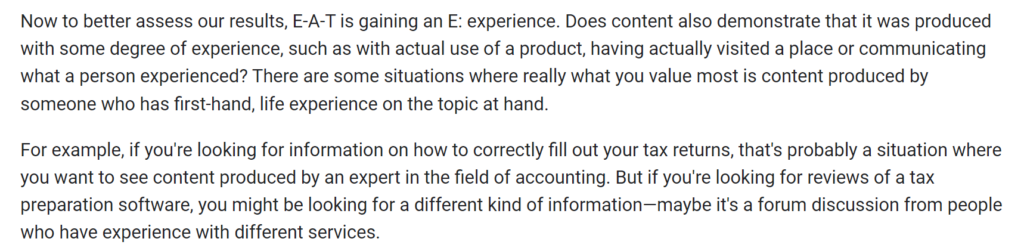
Staying ahead of the curve with the latest SEO statistics for 2026 is crucial for bloggers, small businesses, writers, marketers, and anyone seeking online success. It can help you improve your rankings in search engine results pages (SERPs),increase organic search traffic, and connect with your potential customers.
Let’s dive into the top SEO statistics for 2026 and explore how to use them to your advantage.
Key SEO Statistics at a Glance (2026)
- 65% of businesses report improved search performance using AI tools
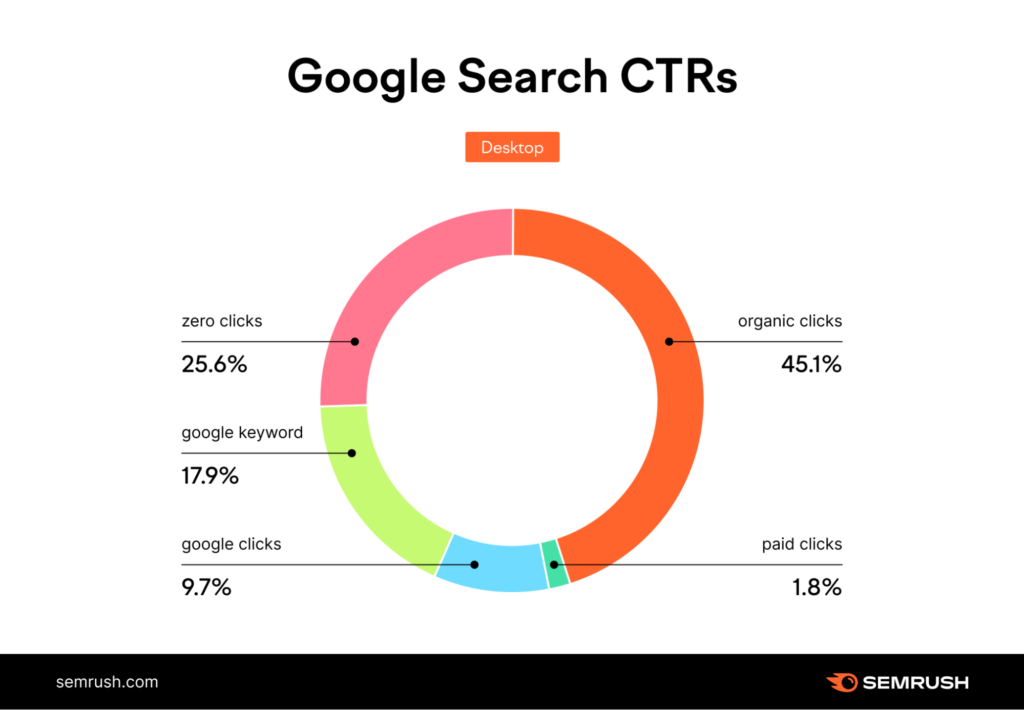
- 25.6% of Google searches result in zero clicks
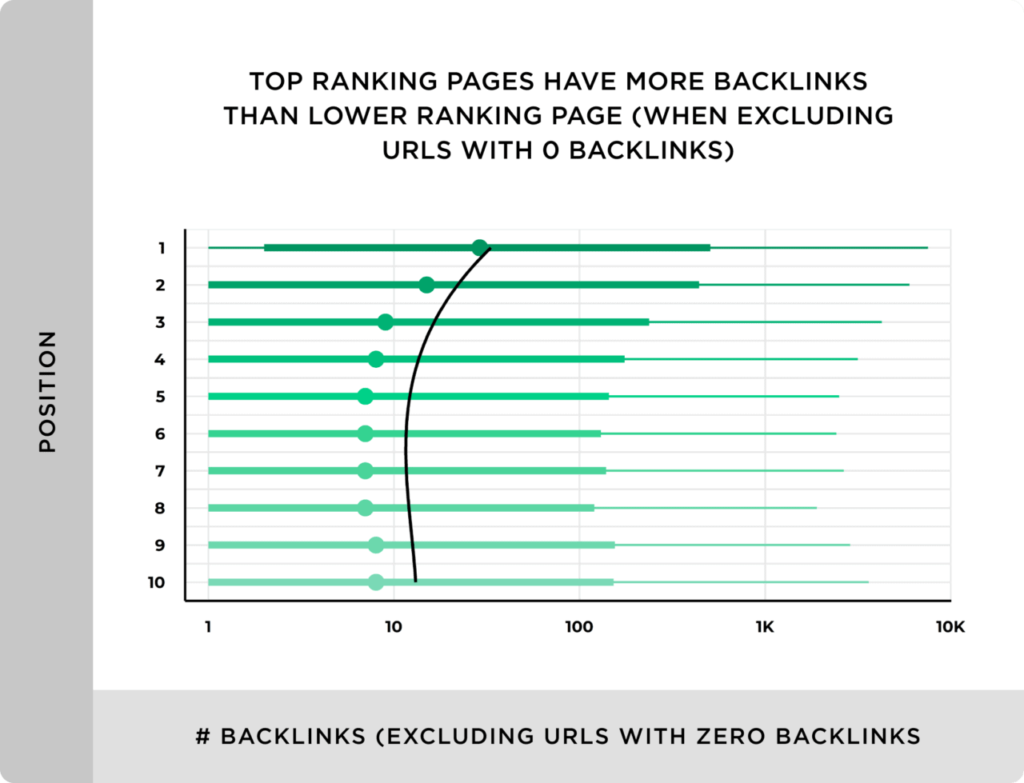
- #1 ranking pages have 3.8x more backlinks than positions #2–#10
- Top Google results receive nearly 40% CTR
- Google’s Shopping Graph includes 35+ billion product listings
- 57.87% of Google search traffic comes from mobile devices
- Most search queries are 3–4 words long
1. AI & Search Engine Optimization Statistics
AI-driven search and automation tools are becoming central to modern search engine optimization strategies.
A recent Semrush industry survey reported that 65% of businesses have seen an improvement in their search engine presence by using AI. And out of the companies that claim to be using search engine optimization most effectively, 83% are using AI-powered tools.
You need to use the right prompts to let AI deliver great results or title tags, meta descriptions, and even content marketing. Here are two examples:

You should also invest in powerful AI SEO tools to get an edge over your competitors in terms of website traffic and rankings for the most searched keyword phrases and top local search queries. Some of our favorite tools include:
- Semrush’s SEO Writing Assistant ⇒ SERP analysis, content optimization, web traffic, top-ranking pages
- Ahrefs ⇒ domain analysis, backlink analysis, link building opportunities
- Frase ⇒ content briefs
- Jasper ⇒ AI writing assistant, content marketing
2. Zero-Click & SERP Statistics
Zero-click search trends are reshaping how users interact with search engine results pages (SERPs).
Have you always aimed to rank your content #1 on search results pages? That won’t be enough now.

When you search for the “best places to visit in April,” Google now curates and presents a list of places from different sources on the web. This generated list appears above the #1 ranking post by CN Traveller.
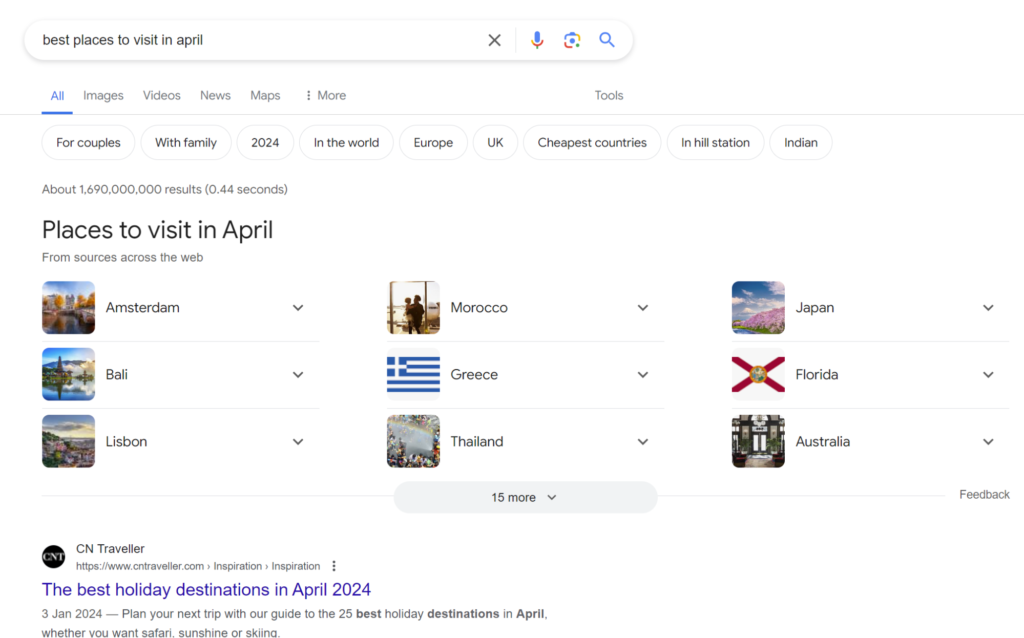
As a user, you’ll probably click the drop-down arrows next to the destination you like on the list, instead of moving on to blog articles. Google will show you more related results.
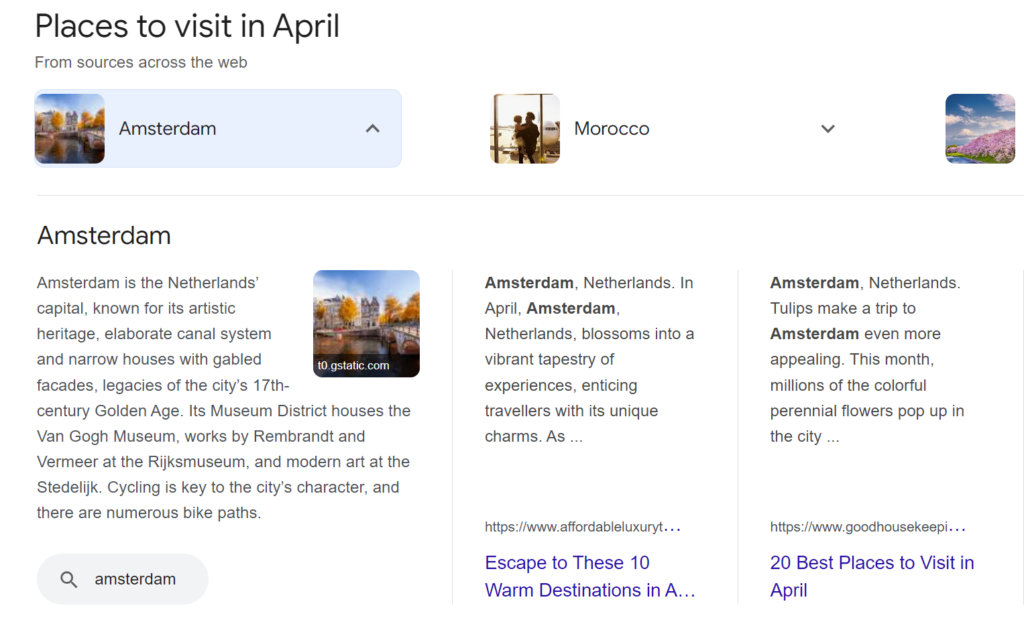
This means fewer clicks for top-ranking posts on the search engine results pages. As per SEO stats by Semrush, 25.6% of searches on Google do not result in a click, also known as zero-click searches.
To prevent losing out on organic clicks and website traffic, you should optimize your articles for places that Google finds worthy of featuring in the list. For example, Amsterdam.
When you create high-quality, helpful content for internet users willing to visit the place in April, search engines such as Google will likely show your article under the drop-downs in their list. This means – you’ll still get your share of organic search traffic!
3. Backlink & Link Building Statistics
Backlink statistics continue to show strong correlation between referring domains and higher search rankings.
Pages with a greater number of high-quality backlinks rank above pages that don’t have as many backlinks in the SERPs.
The page that ranks #1 in Google search results has an average of 3.8x more backlinks than those ranking in positions – #2-#10 according to the link building statistics from Backlinko.
To dominate the organic search results for niche-specific queries, you should invest in contextual link building strategies for your web pages.
- Create valuable, informative content that people naturally want to link to. This helps you attract backlinks organically and through easy link insertions.
- Write guest posts for relevant, high domain authority (DA) websites in your niche and ask them to include a link to your website in your author bio or within the content.
- Find broken links on websites in your niche using Ahrefs and reach out to their editors, offering your high-quality resource as a replacement.
- Hire a link building agency to scale your backlink acquisition process without compromising your link profile health.
4. Search Generative Experience (SGE) & AI Search Statistics
Google SGE now offers an AI-generated result for many search queries, which is changing how people interact with the search engine.
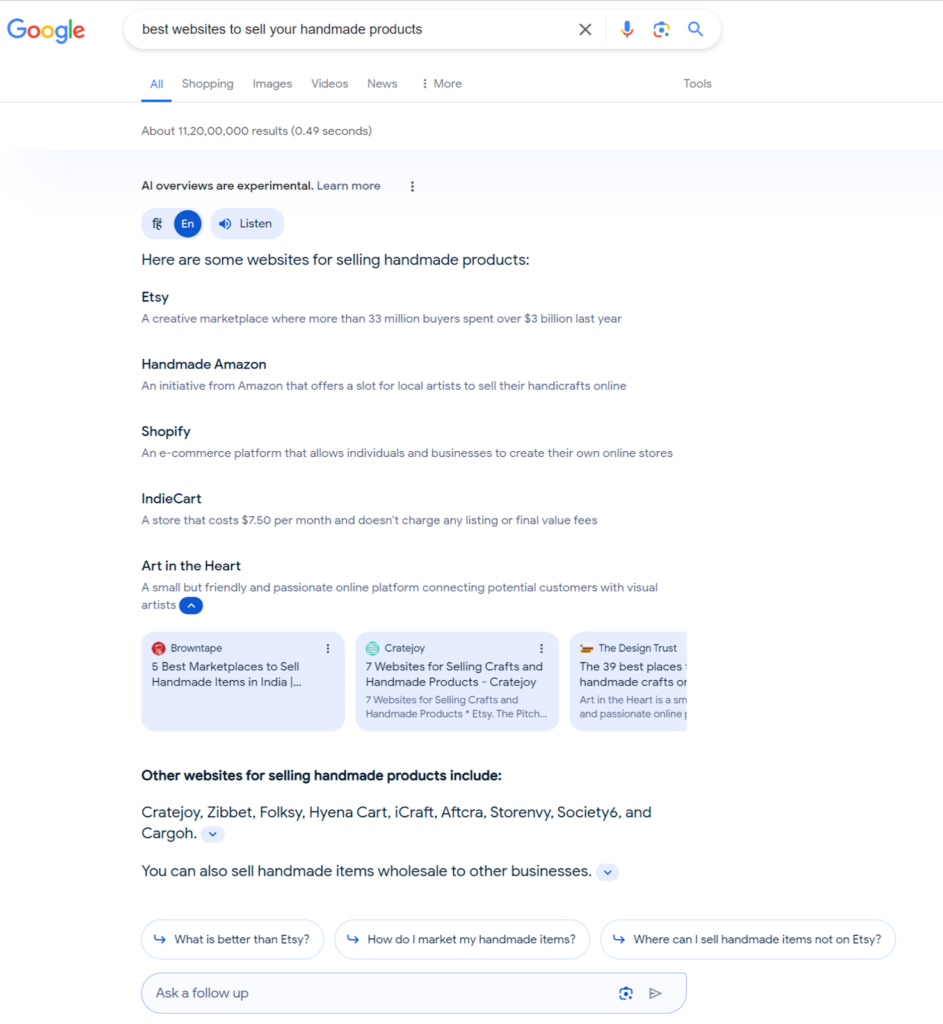
SGE uses AI to directly answer user queries within the SERP itself, potentially bypassing your website entirely. It also lets users ask additional questions related to their initial query.
What can you do to feature in SGE results?
- Focus on creating high-quality content. While SGE might summarize existing content, it prioritizes well-written, informative, and trustworthy sources.
- Optimize your articles for diverse search intents to address all aspects of user queries.
- Research long-tail keywords using Google Ads Keyword Planner that delve deeper into topics and are less likely to be directly answered by SGE summaries.
- Establish your expertise by creating content backed by research, data, and insights that the search engine will likely trust.
- Ensure your website offers a positive user experience (UX) to both desktop and mobile users with clear navigation, fast loading times, and mobile-friendliness.
- Embrace schema markup to improve how search engines see your website and potentially influence SGE summaries.
5. Helpful Content & Site-Wide SEO Quality Statistics
Google’s helpful content update is more than optimizing each content piece you publish. You must ensure your entire website helps the users, not just individual posts.
You should ask yourself:
- Are all of your other web pages helpful and user friendly?
- Is your website optimized for mobile users? Does it meet all mobile SEO checklist points including page load speed, readability, and voice search answers?
- Do you have many legacy pages with poor experience and thin content? This includes giant hero images, irrelevant shopping lists, and broken links.
Instead of taking the word “content” literally, think about making your entire website helpful. This should benefit all channels, not just search engine optimization.
6. Click-Through Rate (CTR) & Ranking Position Statistics
Click-through rate (CTR) data reveals how ranking position directly impacts organic traffic.
While Google has begun to roll out Gemini and SGE results, its impact on higher organic search engine results click-through rates is slight. A small increase in CTR for the top results on Google Searches shows that people trust the higher results slightly more than last year (39.6% → 39.8% CTR for #1 and 18.4% → 18.7% for #2).
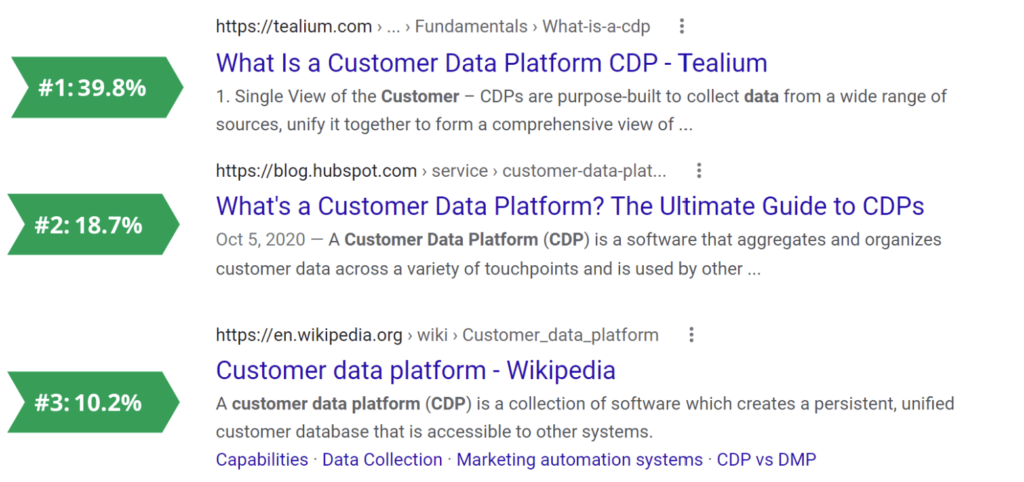
However, web pages ranking below #5 on Google bring you no or little gains in clicks and organic traffic.
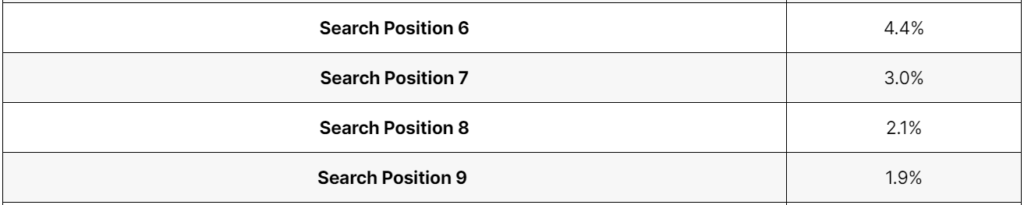
Therefore, it is time to aim for the top 3 positions specifically. You should optimize your content for the most relevant keywords and users’ search intent to increase your chances of landing that top spotin search engines.
7. Ecommerce & Product Search Statistics
Google’s Shopping Graph lists over 35 billion products to help you find what you want. This signifies a shift towards a more product-centric search experience for transactional and commercial search queries.
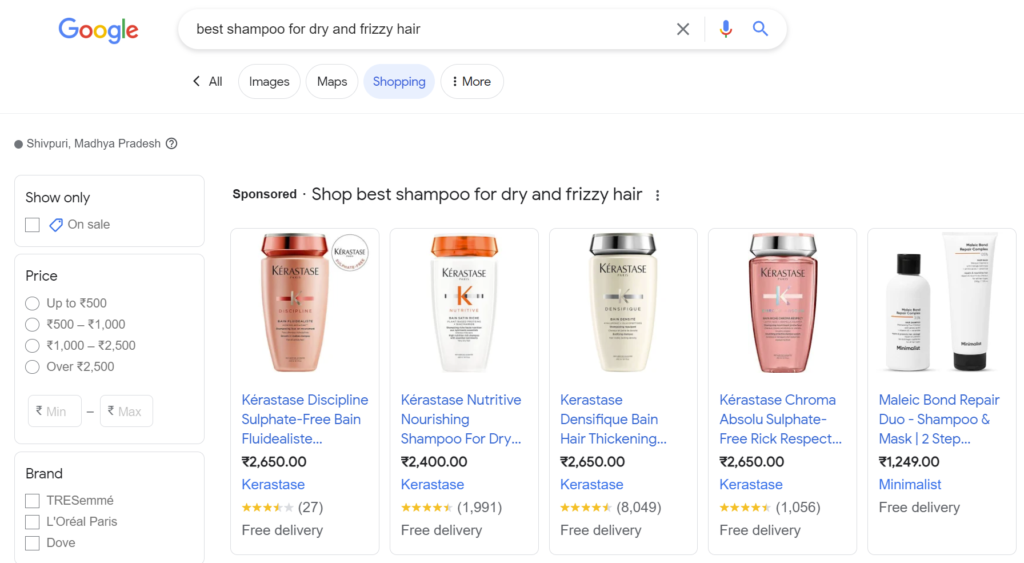
Here’s what you can do to improve your ecommerce SEO statistics data:
- You should add rich and accurate product data to rank in relevant search engine results. This includes detailed product information, including titles, descriptions, categories, attributes, and high-resolution images.
- Optimize your product pages for product keywords and long-tail keywords that describe specific product features and benefits. This increases your chances of ranking for relevant user searches.
- Tag your product images with relevant keywords.
- Ensure your product pages are optimized for mobile devices with fast loading times and a user-friendly layout. A smooth mobile experience is crucial for conversions and mobile SEO.
- Encourage customers to leave online reviews and ratings that play a bigger role in influencing purchase decisions and search engine rankings. Also, address negative feedback promptly.
8. Video SEO & Engagement Statistics
Videos capture user attention more effectively than text alone, potentially leading to longer dwell time on your website, a positive SEO factor.
Most marketers report success with short-form videos —30-60 seconds is the most effective length. This is one of the most important video SEO statistics for marketers aiming to increase user engagement.
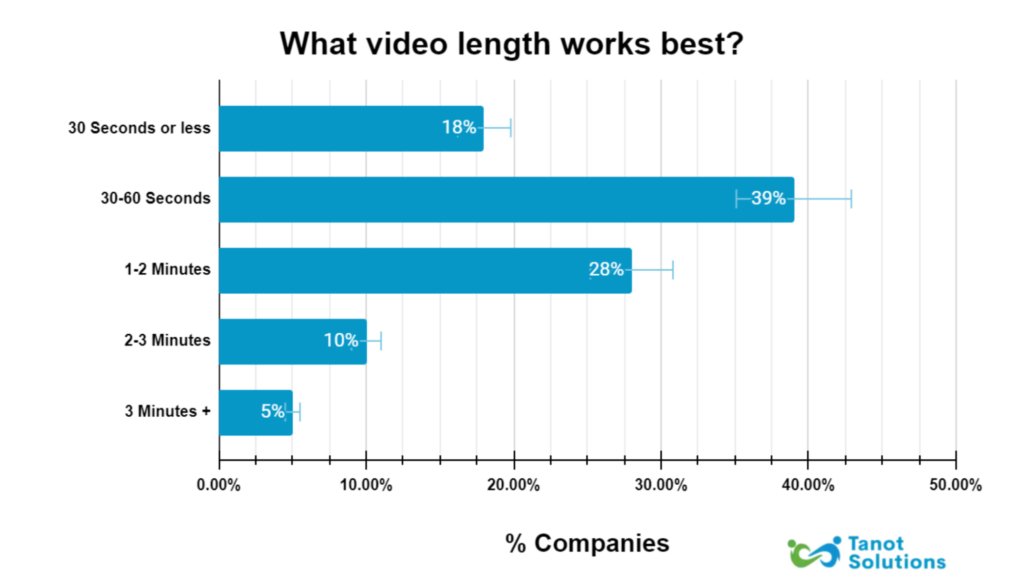
Here’s how video marketers can leverage this trend:
- Grab your camera and start recording. But don’t do it without a plan. High-quality and informative video content tends to attract backlinks from other websites, further boosting your SEO ranking. So, focus on quality always!
- Use YouTube keyword research tools to find target keywords for your video SEO.
- Add transcripts to your videos and optimize these for voice search queries, making your content discoverable by people who use voice search.
- Add metadata and meta descriptions to help rank your video content faster in typed and voice search results.
- Track video performance metrics like views, engagement, and click-through rates. Use these insights to refine your video strategy for SEO success.
9. Keyword & Search Query Statistics
This is one of the crucial SEO keyword statistics highlighting the shift towards search intent and conversational or voice search. Users are asking questions and seeking specific information, not just browsing generic keywords.
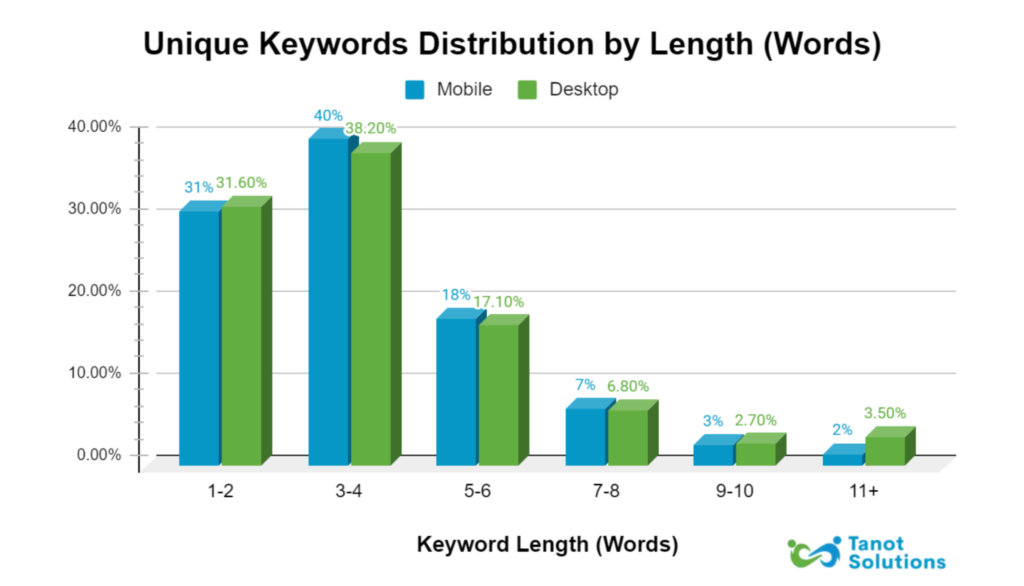
For SEOs and businesses, these search statistics mean:
- You should focus on researching long-tail keywords (3-4 words or more) that are more specific and reflect user intent. Aim for a balance between search volume and competition.
- Develop topic clusters around broader themes, creating a comprehensive resource for users and improving website relevance.
- Structure your content marketing articles to answer user questions directly and succinctly. This can help you secure positions in featured snippets, increasing the organic search engine visits to your site.
- Analyze the “People Also Ask” and “Related Searches” sections on Google to identify additional long-tail keywords users might be searching for.
10. Local Search Engine Optimization Statistics
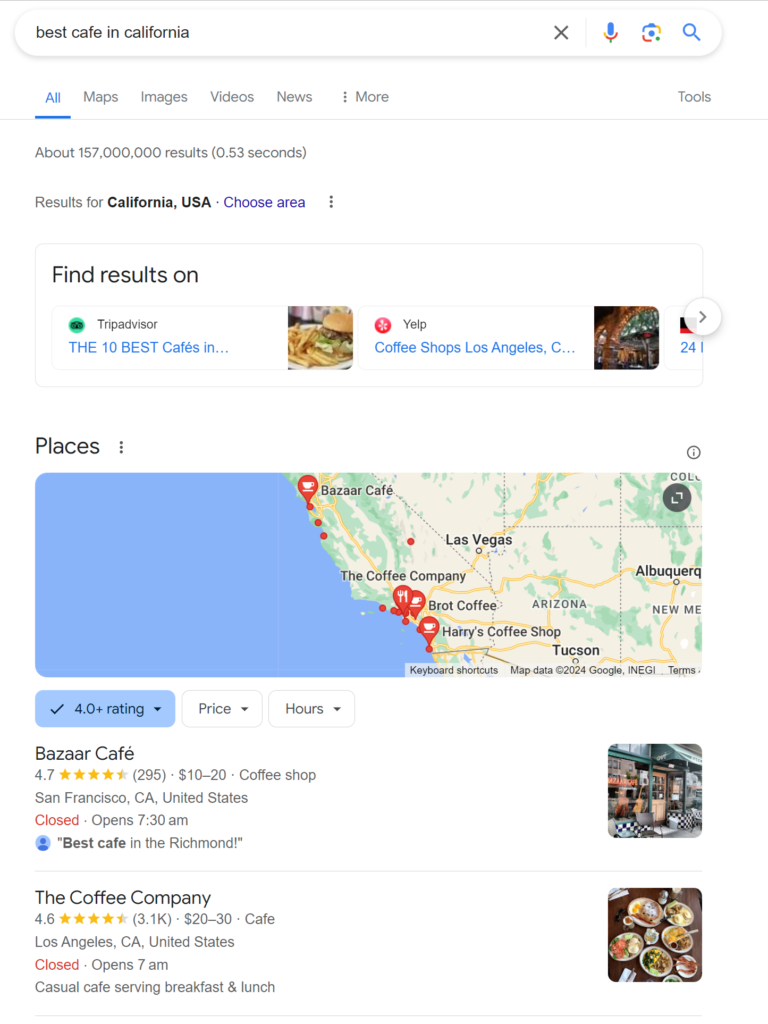
93% of consumers search for a local business online. This SEO statistic underscores the importance of investing in local SEO strategies. Local mobile searches lead to an increase in the footfall of your local stores, boosting purchases from local consumers.
Here’s what you can do to rank in local searches:
- Complete business profile details on your Google Business Profile listing and other directory listings.
- Build local citations to build trust and outrank other local businesses in your niche.
- Target long-tail keywords that include location qualifiers — “best coffee shop in [city name]” to improve your local search rankings.
11. Mobile SEO Statistics
Mobile SEO statistics confirm that user experience and page speed significantly influence rankings.
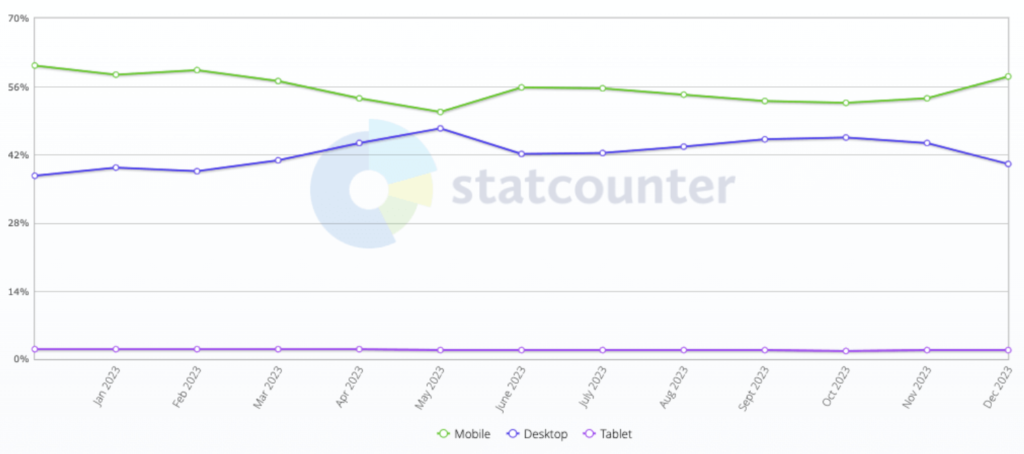
With 57.87% of searchers worldwide using mobile devices, optimizing your website for mobile searchis no longer optional. This stat from the key mobile SEO statistics for 2026 emphasizes the need for a responsive website design that provides a seamless user experience across all desktop and mobile devices.
Ensure your website loads quickly on mobile devices, has a user-friendly layout, and is easy to navigate for smartphone users and other mobile users.
How to Use These SEO Statistics
To improve rankings and organic traffic in 2026:
- Focus on long-tail keywords with clear search intent
- Improve mobile experience and page speed
- Build high-quality backlinks from relevant domains
- Optimize content for featured snippets and zero-click searches
- Monitor ranking positions and CTR regularly
Frequently Asked Questions (FAQs)
How can I use these SEO statistics to improve my website traffic?
You can use these stats to focus on what matters most: track which pages get clicks, improve titles and meta descriptions for better CTR, optimize for mobile users, and build backlinks to high-value pages. This ensures your traffic grows even if search trends change.
What steps can I take to rank better despite zero-click searches?
Optimize your content for featured snippets and “people also ask” boxes. Use clear headings, lists, and concise answers so Google can show your content directly in SERPs. Also, add structured data like FAQ or schema markup to increase visibility.
How do I prioritize which SEO statistics to act on first?
Focus on stats that directly impact your traffic and rankings: CTR, backlinks, top-ranking keywords, and mobile performance. For example, if a page ranks #5 but gets low clicks, improving its meta title and snippet can boost visitors faster than adding new content.
How can I improve my backlink profile based on these statistics?
Look for pages in your niche with broken links, guest post opportunities, or resource pages. Create high-quality content people naturally want to link to. Track referring domains and focus on links from high-authority sites to improve rankings efficiently.
What changes should I make for mobile SEO in 2026?
Ensure your site is fast and mobile-friendly. Compress images, improve page speed, and use responsive design. Check that buttons and menus work well on phones. Mobile SEO stats show that sites ignoring this lose more than half their potential traffic.
How do I optimize my content for AI-driven search and SGE results?
Write clear, structured content that answers questions fully. Use headings for each subtopic, provide examples, statistics, and actionable steps. Include long-tail keywords and make your data trustworthy — AI tools often summarize content directly from these high-quality pages.
How can I use SEO statistics to plan content for the next year?
Analyze which topics bring clicks, backlinks, and high engagement. Focus future content on gaps your competitors haven’t covered, optimize for zero-click SERPs, and target long-tail keywords that match user intent. This ensures every new article has measurable SEO impact.