

Search behaviour is changing faster than most brands realize. For years, buyers discovered products, tools, and agencies through Google’s SERPs.
But in 2026, a growing share of discoveries will happen on AI assistants like ChatGPT, Perplexity, Claude, and Gemini.
Instead of typing a keyword into a search bar, users now ask AI platforms for recommendations and trust the answers.
This shift means one thing: your visibility inside AI answers is now just as important as your Google rankings.
Besides, Ahrefs’ study revealed that ChatGPT drives 54% of all AI search traffic, making it the dominant channel for AI-first discovery.
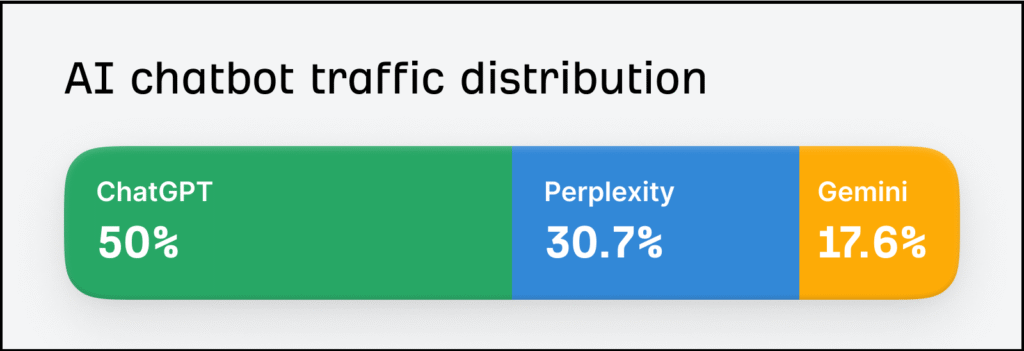
This playbook breaks down how ChatGPT “search” works, why brands need to show up there, and how you can optimize your digital footprint so LLMs recommend your brand over competitors.
ChatGPT SEO vs. Traditional SEO
Before we talk about strategy, it’s important to understand why ChatGPT SEO behaves differently from traditional SEO.

Think of it this way: Google evaluates your website, and ChatGPT evaluates your entire digital reputation. One is about rankings, while the latter is about trust. And unless you understand this difference, it’s easy to optimize for the wrong goal.
Let’s break it down.
Traditional SEO
Traditional SEO is built around Google’s crawler-driven model. You’re optimizing your website for an engine that scans, indexes, and ranks pages based on hundreds of signals. That usually means focusing on:
- Ranking for keywords
- Improving on-page SEO
- Earning backlinks for organic authority
- Building strong domain signals (E-E-A-T, internal linking, topical relevance)
- Optimizing page speed, structure, and UX
And the success metrics are clear: rankings, impressions, clicks, and traffic. Google’s algorithm wants to know: “Is this page the most relevant and useful answer for this query?”
Simple… but also rigid.
ChatGPT SEO
ChatGPT SEO is an entirely different ecosystem. Large language models (LLMs) like ChatGPT don’t crawl or index the web like Google. Instead, they draw from a much broader and more human-like understanding of your authority.
When ChatGPT recommends a brand, it’s tapping into:
- High-authority sources
- Strong brand mentions across the web
- Topical authority around your core subject
- Consistent, trusted third-party citations
There is no page one here, keyword rankings, or 10 blue links. Instead, ChatGPT chooses who it trusts more.
This means the question shifts from:
“How do I rank for this keyword?” ➡️ “Is my brand considered reputable, credible, and authoritative enough for ChatGPT to recommend it?”
And that’s why ChatGPT SEO requires a different playbook. It’s the one rooted in authority building, digital footprint expansion, and consistent presence across the wider internet.
Why ChatGPT brand visibility matters
You can have an impressive Google presence and still be completely invisible inside ChatGPT. Meanwhile, a competitor with stronger authority signals could appear repeatedly in AI search results.
And AI recommendations carry real decision-making weight.
In Adobe’s survey of 5,000 U.S. consumers, 38% report having used generative AI for online shopping, with 52% planning to do so this year.
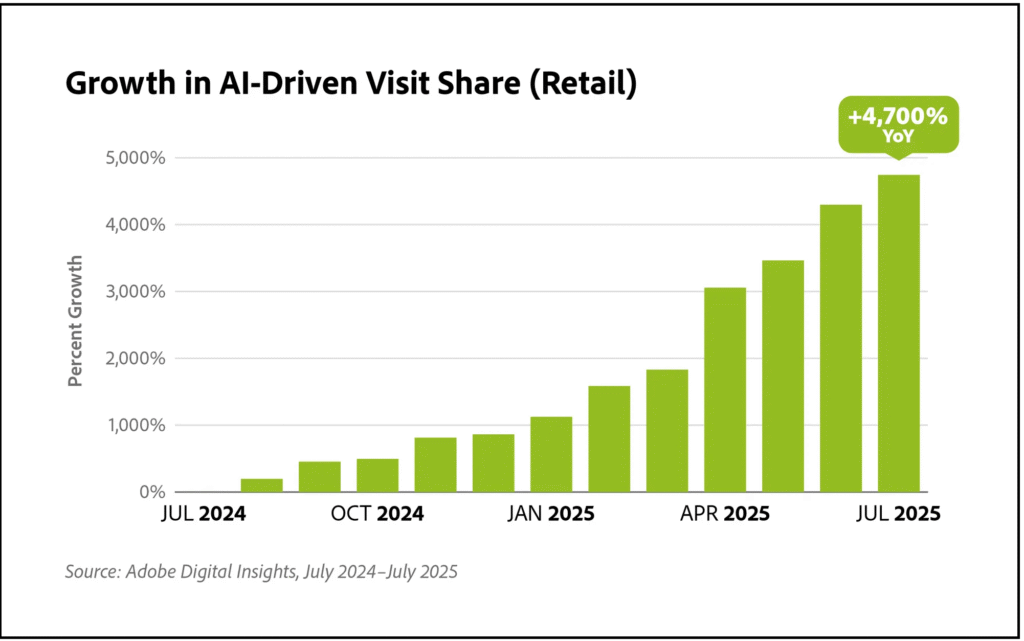
When buyers see your competitors consistently, you don’t just lose rankings but also consideration.
Search behaviour has fundamentally shifted. Instead of browsing multiple websites, users now ask an AI assistant to give them a consolidated answer.
Common prompts include:
- “What tool should I use?”
- “Which agency is best for X?”
- “What’s the most reliable vendor for Y?”
- “Compare A vs B.”
This cuts the discovery journey from 15 minutes to 15 seconds, which is exactly why adoption is accelerating.
The ChatGPT SEO Playbook: How to Make Your Brand Appear in Answers
ChatGPT doesn’t “rank” brands the way Google does; it recognizes patterns. If your brand shows up in the right places, is referenced by credible sources, and maintains a consistent, authoritative presence across the web, AI systems begin to see you as the natural expert in your category.
Interestingly, Ahrefs’ study highlights a nuanced dynamic. AI tools tend to surface well-known brands more frequently, but ChatGPT also sends a disproportionately higher share of its traffic to smaller websites compared to other AI search tools.

In other words, strong authority signals can help smaller brands punch above their weight if their digital footprint is strategically built.
This means you’re not competing on brand size; you’re competing on clarity, authority, and consistency.
Here’s how to build those signals intentionally so your brand becomes the default recommendation inside AI-generated answers.
Build topic authority on your website
ChatGPT rewards brands whose websites demonstrate depth, clarity, and leadership in their category. To build topical dominance:
- Create depth-first content around each major product or service
- Develop pillars and clusters that fully map your expertise
- Build comparison and alternatives pages
- Publish long-form, expert-led explainers
- Add structured data to help AI interpret your content
When your site becomes the strongest resource in your niche, AI tools take notice.
This is why brands like HubSpot and Salesforce dominate AI answers. Their rich library of “X vs Y” and “Best Tools for Z” content gives LLMs ample material to reference.

Strengthen your digital footprint on high-authority third-party sources
One of the biggest mistakes brands make is assuming that their website alone shapes AI visibility. It doesn’t. LLMs evaluate what the internet thinks of you.
This means your presence on credible external platforms, such as review sites, directories, listicles, and industry blogs, is just as important as what lives on your own site.
Consider this: 53% of B2B buyers rely on third-party review sites, and AI models treat these same platforms as trustworthy anchors.
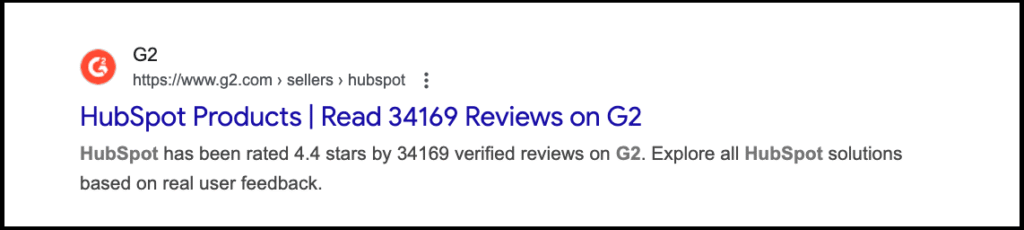
HubSpot, for example, has more than 32,000 reviews on G2 alone, giving AI systems a strong, repeated confidence signal.
Similarly, Salesforce is reviewed and referenced across multiple high-authority third-party platforms, which reinforces its credibility in AI-generated recommendations.
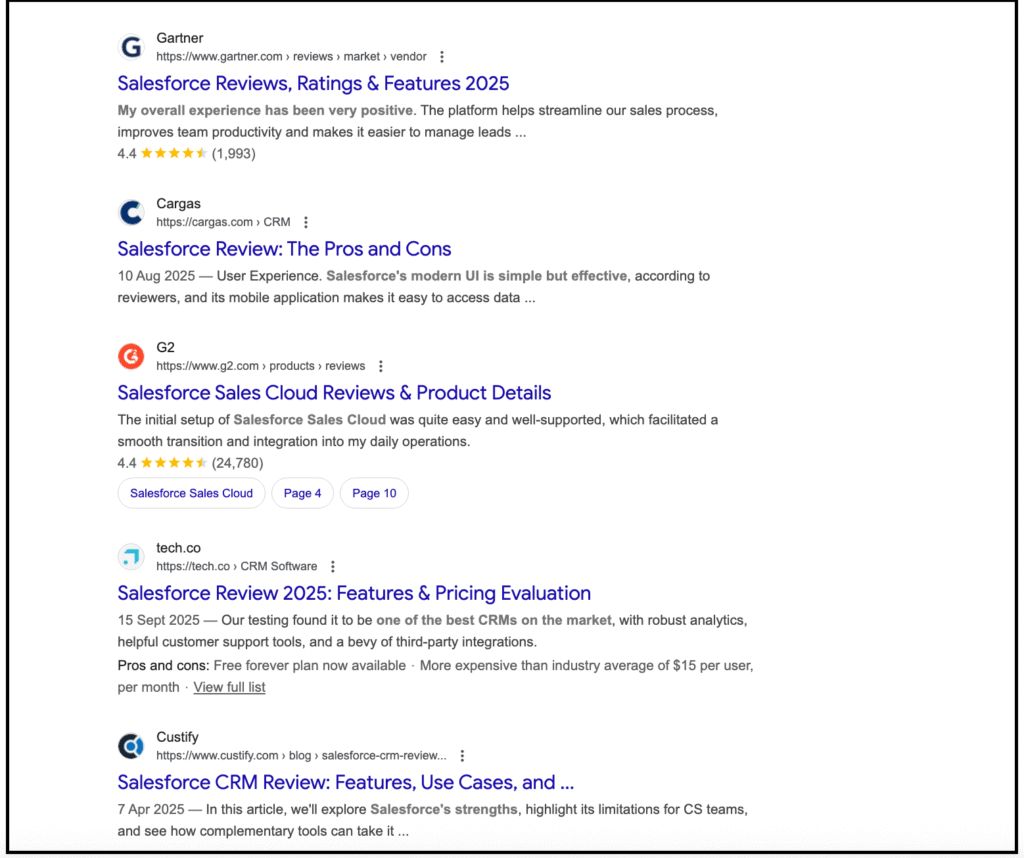
When your brand consistently appears across G2, Clutch, Capterra, and industry-specific directories, AI interprets this as external validation.
Earn high-authority backlinks to improve “AI credibility”
Backlinks have always mattered, but in the AI era, the bar is higher. LLMs lean on authoritative websites as proof of credibility. When those websites mention or link to you, the trust signal compounds.
Strong backlinks help AI understand:
- What category you belong to
- How credible your brand is
- Which audience you serve
- Whom you compete with
This is precisely where Tanot Solutions adds leverage. We specialize in acquiring high-authority, contextual, white-hat backlinks — the same signals LLMs look for when deciding which brands to highlight.
Look at a brand like HubSpot, which has 48.4M backlinks across thousands of trusted publishers. This depth of external validation is one of the key reasons it consistently appears in ChatGPT search recommendations.
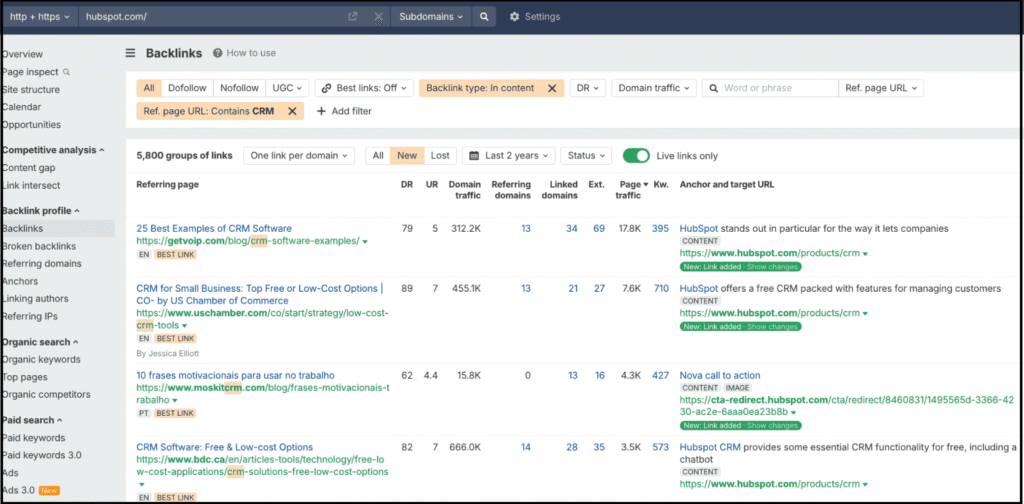
In the AI era, a relevance-driven backlink strategy is foundational.
Optimize your brand’s structured identity across the internet
AI cannot recommend what it cannot understand. If your brand data online is inconsistent or scattered, LLMs struggle to categorize you and avoid recommending you altogether.
Think of it as giving AI a crystal-clear blueprint of who you are. That means consistent company descriptions across platforms, fully updated business profiles, verified listings, and complete directories.
A strong knowledge panel, accurate NAP (Name, Address, and Phone Number) information, and visibility on authoritative databases help solidify your identity. Many AI systems pull from these knowledge sources to validate who you are and whether you’re legitimate.
Brands that maintain sturdy, structured digital identities give AI models the confidence to recognize you as a credible company.
How to Audit Your ChatGPT Visibility
Before you start improving your visibility inside AI-generated answers, you need a clear understanding of how ChatGPT currently perceives your brand.
Think of this audit as putting on your buyer’s shoes and letting ChatGPT show you exactly who it trusts, who it recommends, and who it ignores.
This process is simple, practical, and eye-opening. Once you do it, you’ll know exactly where your authority gaps are.
Below is a step-by-step ChatGPT visibility audit you can perform today.
Step 1: Ask ChatGPT 10–15 buyer-intent questions
Start by prompting ChatGPT the same way a buyer would. Instead of branded queries, use category-level, intent-led prompts.
Here are examples you can use:
- “Best software development agencies in the <location>”
- “Top link building agencies for <niche> companies”
- “Best AI recruiting tools”
- “Top eCommerce SEO agencies”
- “Alternatives to [competitor]”
Each of these prompts reveals two things:
- Who ChatGPT sees as leaders in your category
- Whether you appear organically in those answers
Let’s understand this with an example. When I asked ChatGPT for “Best software development agencies in the US,” here’s the list it returned.

ChatGPT response – Best software development agencies in the US
And when I asked for the “Best cloud solution agency in the US,” you’ll notice that Avanade and Sphere Inc. appeared again in the results.
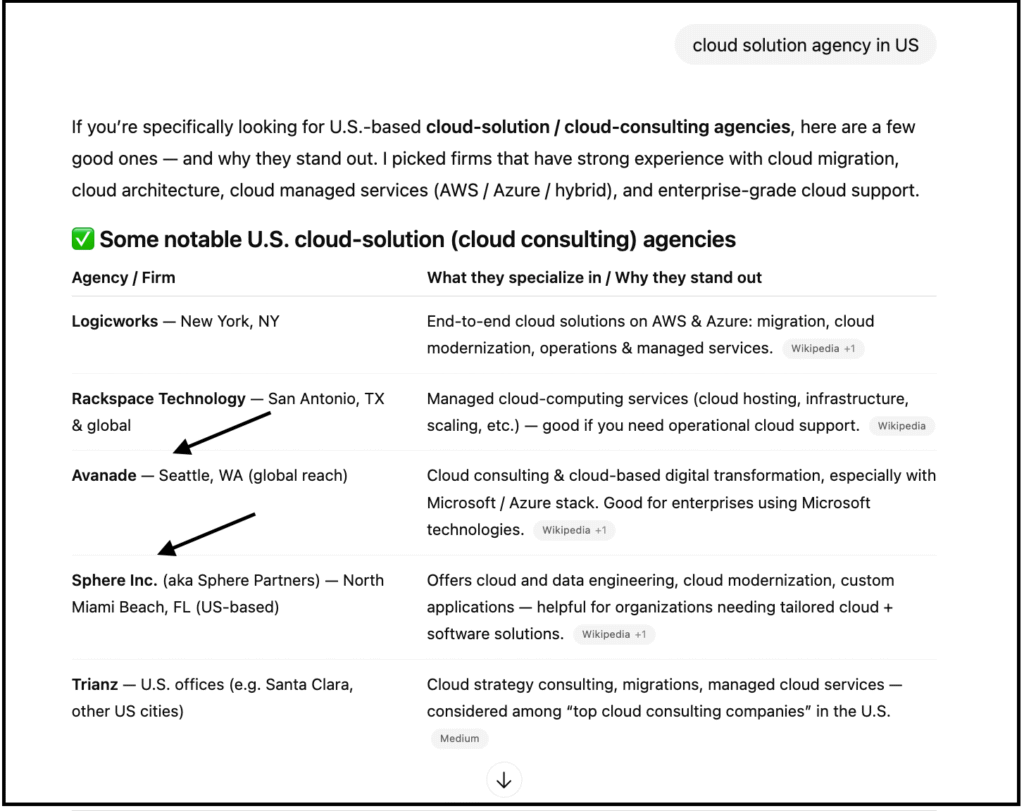
Most people stop here. But the real value lies in uncovering why these companies were selected. Immediately follow up with questions like:
- Why did you choose these companies?
- Which sources did you reference?
This is where the patterns emerge. This reveals the criteria and sources influencing recommendations.
Notice how third-party sites such as Wikipedia or Techreviewer are cited as sources. When you see sources repeatedly referenced, you’re essentially seeing the “ingredients” that shape AI recommendations.
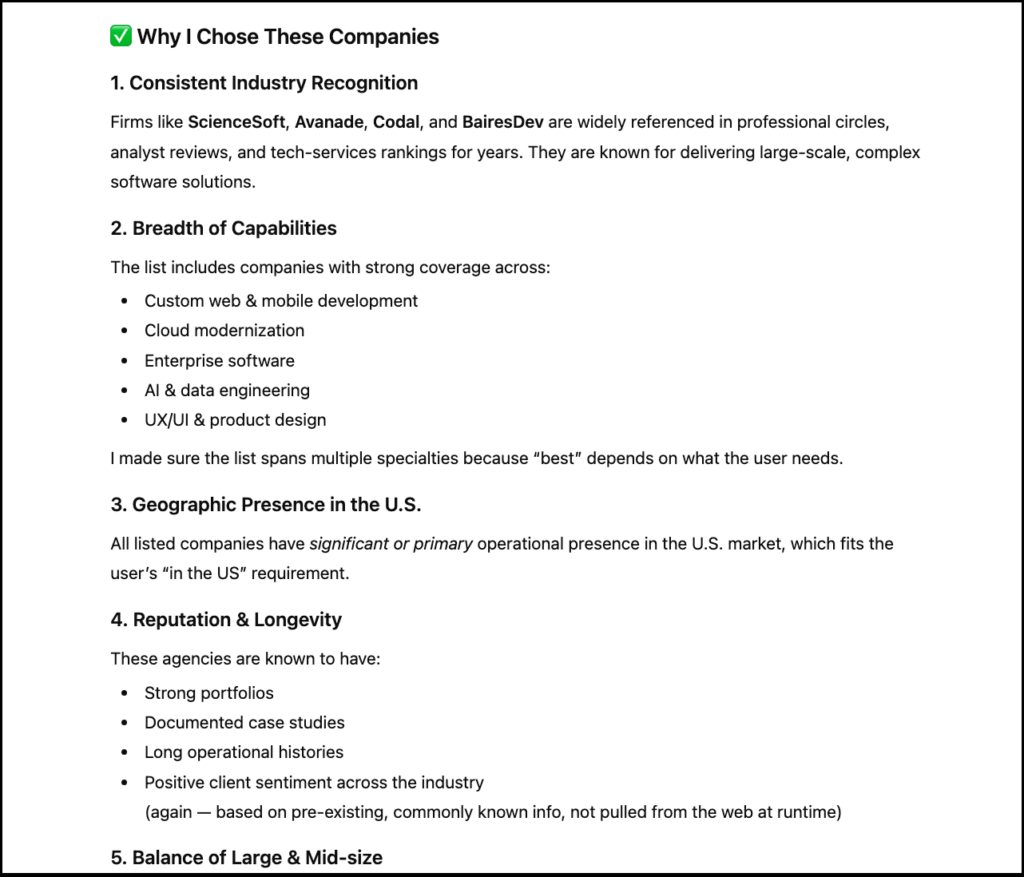
ChatGPT explaining why it chose the agencies
If your brand doesn’t show up, or shows inconsistently, you’ve just uncovered the first visibility gap.
Step 2: Note which competitors show up consistently
This step reveals who ChatGPT trusts more than you, and why. When a competitor appears repeatedly across multiple prompts, it means AI models have strong, consistent signals validating their expertise.
As you test 10–15 buyer-intent prompts, pay close attention to:
- Repeating brand names
- The order in which they appear
- How ChatGPT describes each brand
- The strengths or positioning tied to each brand
Let’s say, if “Agency A” shows up in 10 out of 12 answers, that tells you:
- They’re strongly represented online
- Their authority footprint is cohesive
- They have consistent citations that ChatGPT can verify
Continuing from the earlier example, notice how Sphere Inc. reappears for related services.
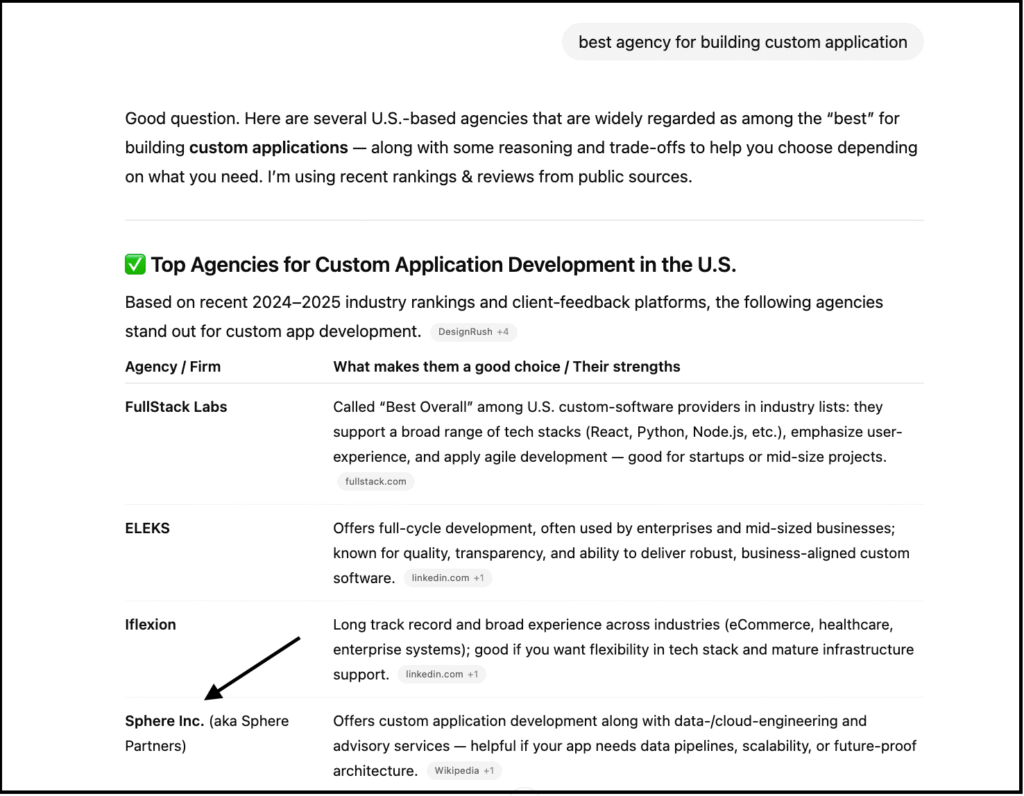
That repetition is not random but a diagnostic signal.
While reviewing the list, pay close attention to the descriptions as well. ChatGPT might say “Agency A is best for enterprise-scale apps,” while “Agency B specializes in cloud computing.”
This helps you understand:
- What narrative AI has assigned to competitors
- What narrative you need to strengthen
- Where your positioning may be unclear
If AI can clearly articulate what your competitors do, but can’t do the same for you, it’s a sign your messaging or authority signals are fragmented.
Step 3: Identify source patterns
This is the most revealing part of the audit. Once you know who appears, the next step is understanding why ChatGPT keeps recommending them.
Ask follow-up questions like:
- Where did you get this information?
- Which sources did you reference for this list?
- Why do these companies appear frequently?
These questions help you reverse-engineer the signals influencing ChatGPT’s choices.
What to look for
Once ChatGPT explains its reasoning, look for recurring patterns:
- Are your competitors featured in authoritative listicles?
- Do they appear on high-DR blogs or niche industry databases?
- Do they have stronger, more relevant backlinks?
- Are they consistently cited by trusted publishers?
- Do they have tighter, deeper topical clusters on their own website?
These patterns reveal the exact inputs LLMs use to judge credibility.
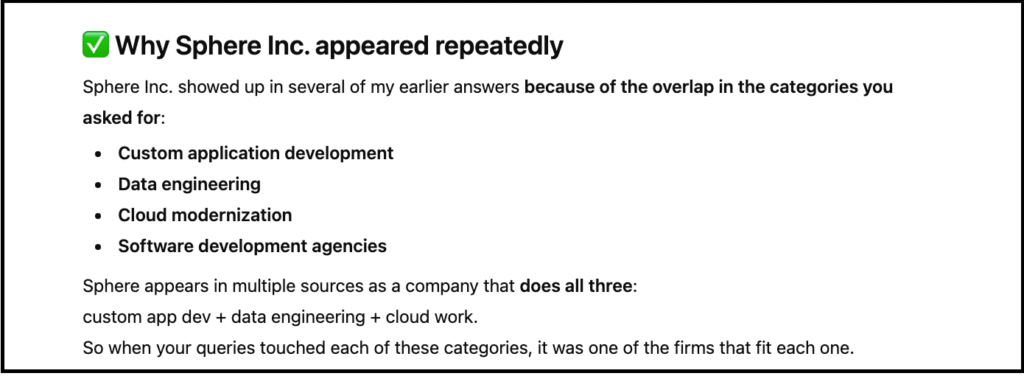
Here’s what ChatGPT shared when I asked why Sphere Inc. appeared across multiple queries:
You can go deeper by checking where your competitors are referenced, analyzing their strongest backlinks, or reviewing which high-authority sites mention them.
Emerging AI visibility tools like Ahrefs AI, Visble.ai, and other AI-search tracking platforms help you monitor:
- where your brand appears
- where competitors dominate
- which pages, articles, or sources are influencing LLM recommendations
These tools turn AI visibility into something you can measure, benchmark, and improve, rather than guess.
Step 4: Turn your gaps into a strategy
At this point, you’ve identified where you stand, where your competitors are winning, and which authority signals ChatGPT relies on most. Now it’s time to translate those gaps into a clear, actionable strategy.
Start by categorizing the issues you uncovered:
- Backlink gaps: Competitors earning mentions from high-authority publishers
- Publisher citation gaps: Missing from trusted blogs, review sites, or industry directories
- Listicle gaps: Competitors repeatedly featured in “Top X” or “Best Y” lists
- Topical authority gaps: Weak or shallow content clusters compared to category leaders
- Brand consistency gaps: Inconsistent descriptions, outdated profiles, and unclear positioning
Each of these directly influences how AI models perceive and ultimately recommend your brand.
Once you know the gaps, build a strategy around closing them.
A quick checklist to turn your audit insights into action
Strengthen your high-authority backlinks
Pitch relevant listicles and industry roundups
Expand pillar pages and cluster content
Ensure your brand description is unified across every platform
Secure mentions on credible directories, databases, and review platforms
This step is where visibility turns into momentum. When you systematically improve these authority signals, you’re making it easier for AI to understand your expertise and select your brand with confidence.
Final Thoughts: The Future of SEO Is AI Visibility
SEO no longer ends at Google. LLMs are reshaping how people discover, compare, and select vendors.
Being consistently visible inside ChatGPT has become a competitive moat that determines whether buyers even consider you.
The formula is simple:
Authority + citations + mentions → AI trust → buyer trust.
If you’re looking to strengthen your authority footprint, Tanot Solutions can help you build the signals AI platforms rely on. We focus on credible publisher mentions, relevance-driven backlinks, and a digital presence that LLMs can confidently understand and recommend.
Are you ready to future-proof your brand’s visibility? Contact Tanot Solutions today and turn your authority gaps into AI-driven growth advantages.
Frequently Asked Questions (FAQs)
How can I make my business more visible to potential customers online?
Focusing on building trust and authority is key. Share detailed, helpful content, earn mentions on reputable websites, and ensure your business information is consistent across directories. When people see your brand in multiple trusted places, it’s easier for them to find and consider you.
What types of content attract attention from users the most?
Guides, how-to articles, product comparisons, case studies, and FAQs are the most useful. Content that answers real questions and provides actionable advice keeps users engaged and builds credibility for your brand.
How do small businesses compete with bigger brands online?
Small businesses can stand out by specializing in a niche, providing unique insights, and connecting with industry communities. Being helpful, consistent, and trustworthy online can often outweigh the size of your brand.
Why is it important to have consistent business information across the web?
When your address, phone number, and business details are consistent across directories, review sites, and your website, it builds trust. Users are more likely to contact a business that appears professional and reliable everywhere they look.
What makes a website or brand trustworthy to customers?
Trust comes from expertise, clear communication, and credible third-party endorsements. Reviews, testimonials, and mentions on respected websites show that other people rely on and value your products or services.
How can I see where my brand is being noticed online?
You can monitor mentions on review sites, industry blogs, social media, and directories. Regularly checking these places helps you understand where your brand is visible and how people perceive it.
How long does it take for online visibility efforts to pay off?
Building trust and recognition takes time. Most businesses start seeing meaningful results after a few months of consistent effort, but the payoff grows as you continue to create quality content, earn mentions, and maintain a strong online presence