Let’s be honest.
Most businesses investing in local link building aren’t struggling because they “don’t have links.” They’re struggling because the links they’ve built aren’t doing anything meaningful.
Since Google’s 2024 Spam Update and ongoing Helpful Content refinements, the algorithm has become significantly better at filtering out low-quality signals. Add to that the increasing sophistication of local ranking systems, and one reality becomes clear:
Local authority now matters more than link volume.
That means, if your local link building strategy isn’t reinforcing geographic and topical authority, you’ll likely see:
- Fluctuating map pack rankings
- Traffic without qualified leads
- SEO spend with limited ROI

So, how do you fix that? This guide explains how to approach local link building strategically, so it becomes a predictable driver of qualified leads.
What Is Local Link Building?
At its core, local link building is the process of acquiring backlinks that strengthen your local relevance and authority in a specific geographic market. The goal is to signal both Google and AI search systems that your business is trusted and contextually connected to the location you want to rank in.
That’s what influences local SEO ranking. But, how do you prioritize where to build links?
There are two non-negotiable filters: relevance and authority.
Relevance has two layers:
- Geographic relevance (is this site connected to your target city or region?)
- Topical relevance (does this site align with your industry or services?)
If you’re a London law firm, a backlink from a UK-based legal publication sends a powerful signal. So does a contextual mention in a reputable regional business magazine. Both reinforce that you belong in that local ecosystem.
But if you get a link from a generic lifestyle blog in another country, that does very little for your local authority or your AI visibility. The context simply doesn’t align.
Authority, on the other hand, is about trust transfer.
When a respected publication links to your site, some of its credibility flows to you. Not because of a number like Domain Rating (DR) alone, but because of:
- Editorial standards
- Real traffic
- Topical depth
- Link neighborhood quality
A high-traffic regional business journal will pass significantly stronger signals than a low-traffic directory that exists purely for outbound links.
Think of it this way: relevance tells Google where you matter, and authority tells Google how much you matter. Consistency across trusted sources determines whether you’re surfaced in AI-powered answers.
That’s the modern layer of local link building most businesses haven’t fully accounted for yet.
Weak vs. High-Quality Local Backlinks: What Actually Moves Rankings
To make this practical, here’s a clear comparison of what weak versus strategic placements actually look like in a local SEO strategy:
| Weak Local Link | High-Quality Local Backlink |
| Bulk directory submission | Contextual editorial link placements |
| High DR with no measurable traffic | Receives consistent organic traffic |
| Generic anchor text | Intent-aligned anchor text |
| Built for volume metrics (e.g., PBN links) | Built for ranking impact |
| No geographic context | Clear city or regional alignment |
According to Ahrefs’ 2024 research, brands with higher mention visibility earned up to 10X more exposure in AI-generated summaries.
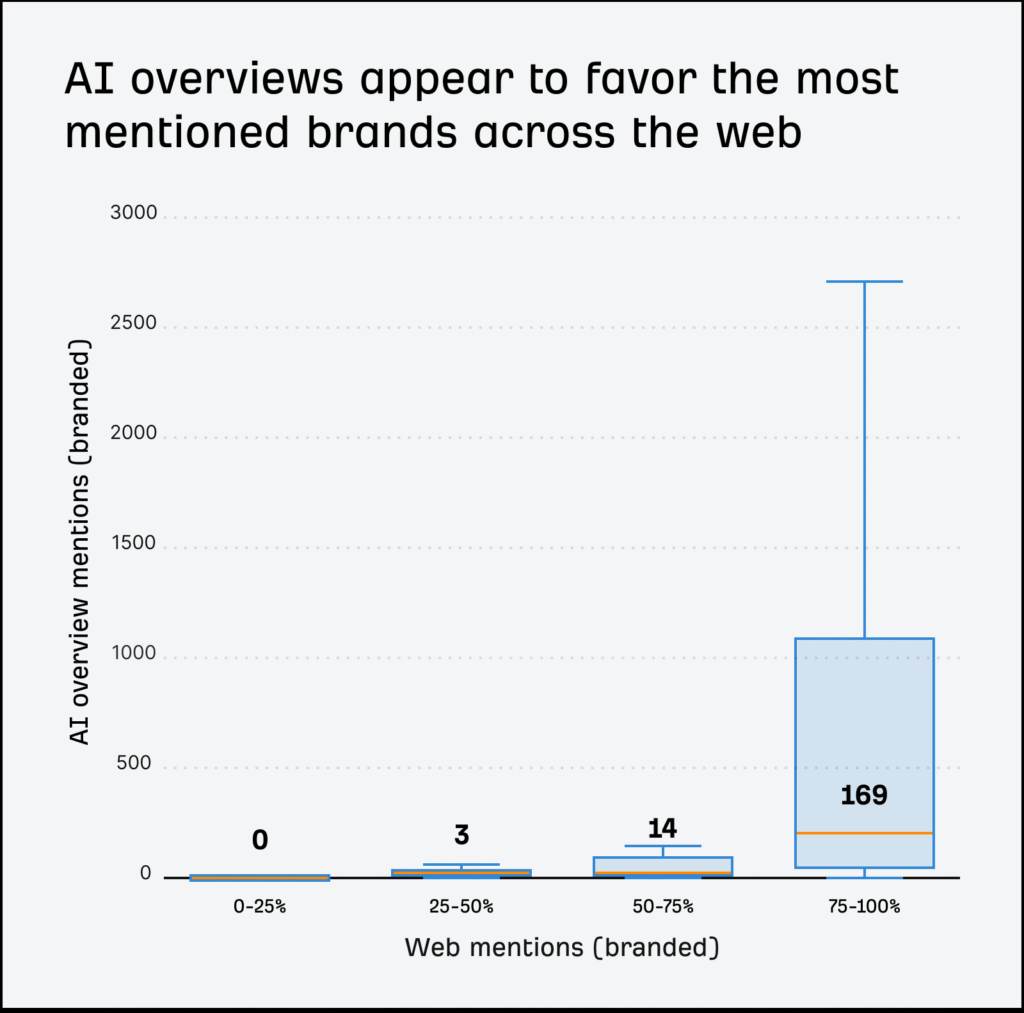
Another widely cited Ahrefs study shows a strong correlation between the number of referring domains and organic traffic growth.
But this is where many teams misinterpret the data. It’s easy to assume that “more backlinks” automatically equals “better rankings.”
In reality, plenty of pages accumulate hundreds, sometimes thousands, of backlinks and still struggle to rank. The reason their backlinks are of low-quality.
The objective of local link building isn’t to inflate backlink counts but to strengthen authority signals that search engines and now AI systems trust. And that authority-first philosophy is exactly how Tanot Solutions approaches local link acquisition.
5 Local Link Acquisition Strategies That Work in 2026
Here are local link building strategies that consistently influence local SEO ranking when executed properly.
1. Local digital PR
Digital PR is the process of earning backlinks through newsworthy insights, expert commentary, original data, or thought leadership rather than through direct link exchanges or guest posting.
Instead of asking for a link, you earn one because your perspective adds value to a story.
For local link building, digital PR becomes powerful when it intersects with geography.
Here’s how it works in practice:
- You provide expert commentary to a journalist covering a business or industry story.
- You contribute original data relevant to your local market.
- You publish insights tied to trends affecting your city or region.
For example, in a recent article on GoDaddy, we shared expert insights on measuring SEO success beyond rankings. Because the contribution adds value to the article’s narrative, the publication naturally includes a backlink to the contributor’s website.
That’s digital PR in action. That single link placement helps with credibility and brand visibility in a trusted editorial environment.
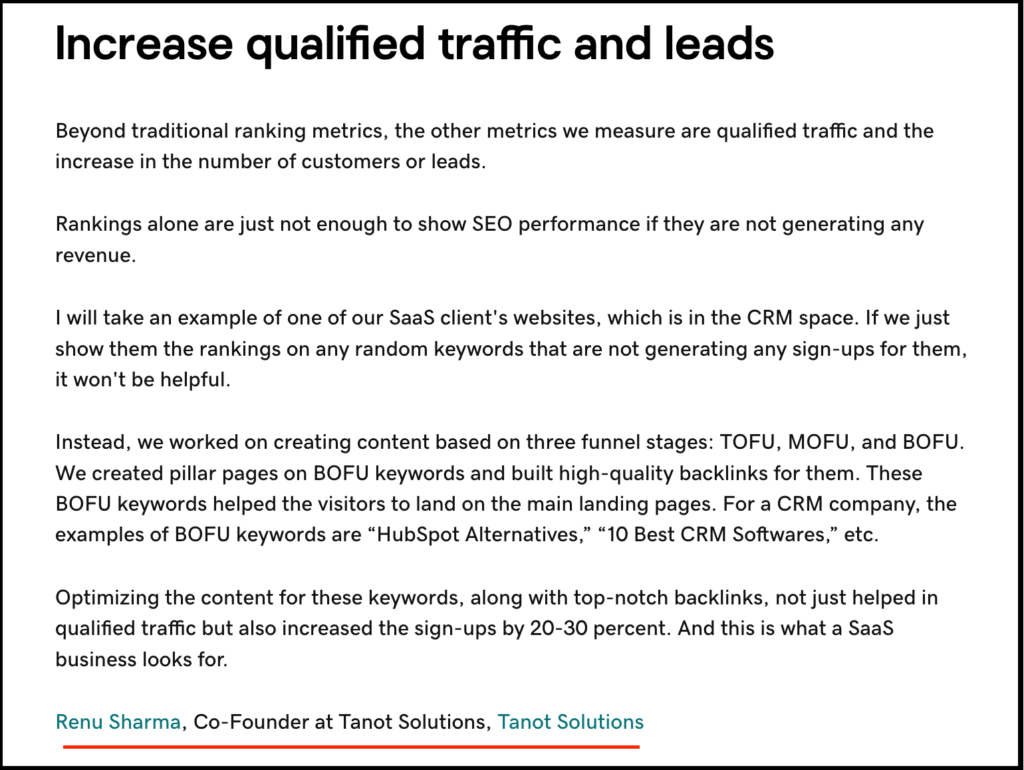
For local businesses, contributing expert commentary to regional business publications, industry journals, or city-focused outlets builds both local authority and AI-visible trust signals.
2. Niche industry publications
Local signals strengthen when paired with topical authority.
Take the cybersecurity space as an example.
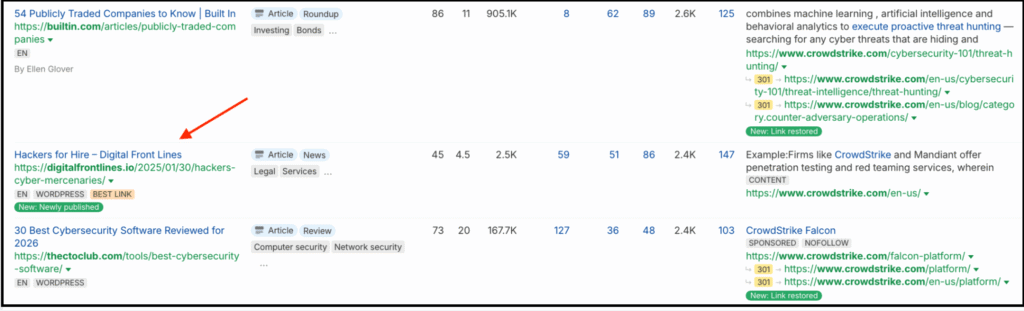
A company like CrowdStrike is frequently cited across cybersecurity and technology publications. In one recent feature on Digital Front Lines, CrowdStrike was referenced in an article discussing hackers and cyber mercenaries.
That publication receives approximately 2.5K monthly organic visitors and operates within a tightly focused cybersecurity ecosystem.
When a brand consistently earns mentions in respected cybersecurity publications, those signals strengthen their ability to rank for geo-modified queries like “Austin tx cybersecurity company” or “cybersecurity near me.”
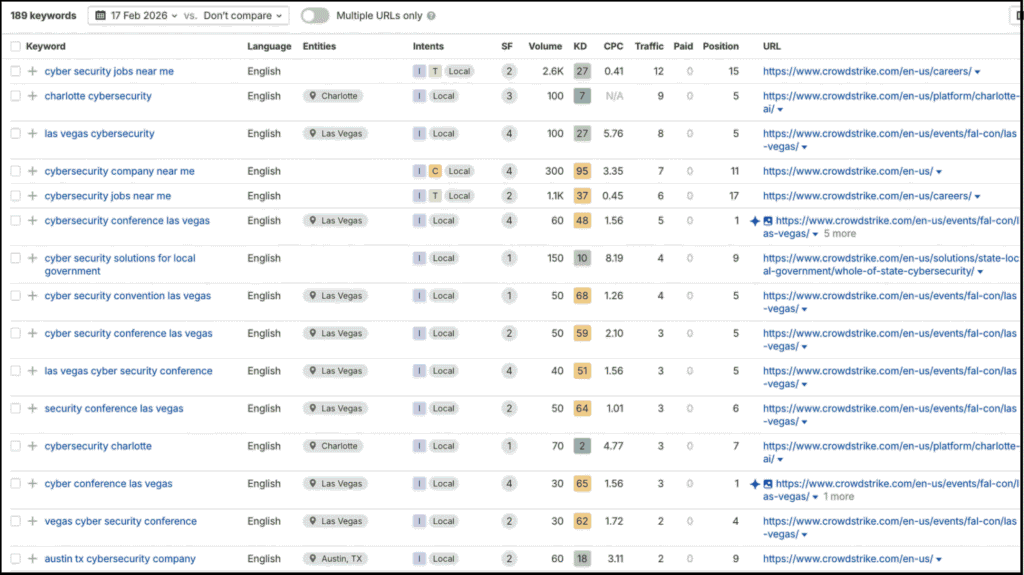
And that’s where the connection to local link building becomes strategic.
If you’re a cybersecurity service provider, our in-depth guide on cybersecurity SEO breaks down how to build authority-driven visibility.
3. Geo-relevant guest placements
Geo-relevant guest posts work best when industry alignment overlaps with geographic intent. The goal isn’t to publish anywhere that accepts contributors. Identify platforms your target audience actually reads within your region.
Start by searching for industry blogs, regional business publications/magazines, local startup platforms, or city-specific trade associations that cover your niche.
Look for sites that rank for keywords your audience searches, have consistent organic traffic, and publish editorial content (not thin guest-post farms).
Search on Google for sites in your area by using queries like:
- “your city” + industry/niche + “write for us”
- “your city” + industry/niche+ “guest post”
- “city name” + industry/niche+ “blog”
- “local business” + “write for us”
That overlap, industry expertise plus location context, is what makes geo-relevant guest posts effective for local link building.
4. Local partnerships and sponsorship coverage
Community partnerships remain one of the most underrated local link building strategies.
Here’s how to participate in local events in a way that generates meaningful backlinks:
- Be listed as a featured partner with a contextual backlink (not just a logo grid).
- Contribute a speaker session or panel insight, ensuring your bio links back to a relevant service page.
- Provide a quote for the event recap article, which often lives permanently on the organizer’s blog.
- Publish a co-authored blog post with the organizers, giving you shared authority and audience overlap.
- Get included in post-event press coverage from regional business publications.
You can find these opportunities by searching:
- “Your city + tech conference”
- “Your industry + summit + city”
- Local chamber of commerce sites
- Regional startup ecosystems
How sponsorship works strategically
Sponsorship becomes powerful when it includes editorial visibility. Instead of paying solely for brand placement, negotiate:
- A contextual mention in the event announcement
- A backlink in the sponsor spotlight article
- Inclusion in recap coverage
However, before committing, check for the following:
- Does the site have organic traffic?
- Is it indexed and reputable?
- Does it avoid excessive outbound linking?
Otherwise, it’s just noise.
5. Claiming unlinked brand mentions
You’d be surprised how often brands are mentioned online without receiving a backlink.
These mentions can appear in:
- News articles
- Industry blog posts
- Local press coverage
- Event recaps
- Expert round-ups
Using tools like Ahrefs, you can monitor brand mentions and identify where your company has been referenced but not linked.
This strategy works particularly well if your business is active in the local community, regularly contributes expert commentary, or participates in industry events.
Turning those into backlinks is one of the safest local link building service strategies available. These links are naturally relevant and brand-aligned.
Wrap Up: Local Link Building Is Authority Compounding
If you think local link building is about collecting backlinks, you’re approaching it the wrong way.
Every local link you acquire should strengthen:
- Your geographic relevance
- Your industry credibility
- Your long-term visibility across search and AI systems
That’s how authority compounds.
At Tanot Solutions, we don’t treat local link acquisition as a numbers exercise. We engineer authority with precision.
Every placement is relevance-first, traffic-qualified, and strategically aligned with your market. And you remain in control: no backlink goes live without your approval.
If you’ve invested in SEO link building services before and felt underwhelmed, chances are the strategy was missing. It doesn’t have to be that way.
Explore how Tanot Solutions approaches local link acquisition strategically. Contact us to discuss your goals, link building requirements, and growth roadmap.